
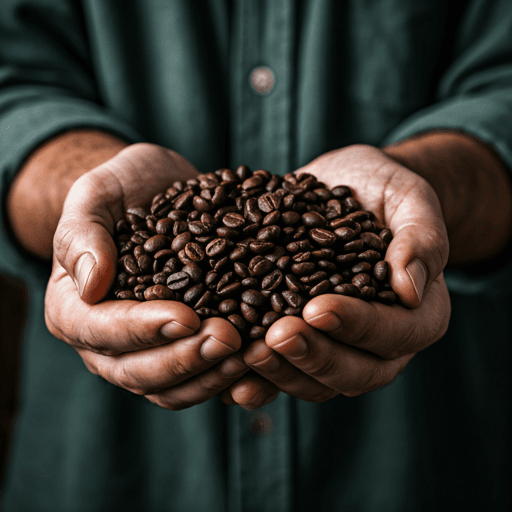
Instant coffee is dried, pre-brewed coffee that dissolves in hot water or milk in seconds, and in India it is the format most cups are made from. The short version: spray-dried powder is cheapest and most common, granulated coffee is mid-tier with a fuller aroma, freeze-dried crystals are the premium end, and coffee sachets are single-serve packs of any of these. This guide explains the differences in plain terms, walks through the real brands you will see on Indian shelves, and helps you choose by budget, taste and use case.
If you are deciding between instant and a machine-brewed cup for a home, office or outlet, it is worth knowing what each format actually delivers before you spend. Instant wins on speed and cost per cup; fresh-brewed wins on flavour. Most Indian kitchens use both.
What instant coffee actually is
All instant coffee starts the same way. Roasted beans are brewed into a strong, concentrated liquid coffee. The water is then removed, leaving a dry solid that re-dissolves when you add hot liquid. The drying method is what separates a cheap pouch from a premium jar, and it is the single biggest thing to understand before you buy.
Spray-dried powder
The concentrated coffee is sprayed into a tower of hot air. The water flashes off and fine powder falls to the bottom. It is fast, cheap and the lowest-cost format. Because the coffee is heated hard during drying, some aroma is lost, so spray-dried cups can taste flatter or slightly burnt. Most economy pouches and many sachets are spray-dried.
Granulated (agglomerated) coffee
Granulated coffee is spray-dried powder taken one step further. The fine powder is lightly re-wetted with steam or coffee oils and tumbled so the particles clump into larger, free-flowing granules. This improves how easily it dissolves and gives a slightly richer aroma than plain powder, while staying affordable. Most mid-range jars labelled "granules" are agglomerated. If a pack looks like little brown beads rather than fine dust, it is granulated.
Freeze-dried crystals
Here the concentrated coffee is frozen solid, then the ice is removed under vacuum without much heat. Because the coffee is never cooked during drying, far more aroma and flavour survive. The result is jagged golden-brown crystals. Freeze-dried instant tastes closest to fresh coffee and is the most expensive instant format. Premium lines such as Nescafe Gold and Davidoff sit here.
| Format | Looks like | Aroma & taste | Typical price band | Best for |
|---|---|---|---|---|
| Spray-dried powder | Fine dust | Flat to decent, can taste burnt | Lowest | Everyday, milk-heavy cups, budget |
| Granulated / agglomerated | Small beads/granules | Fuller, dissolves cleanly | Mid | Daily driver, value upgrade |
| Freeze-dried crystals | Jagged golden crystals | Richest, closest to fresh | Premium | Black coffee, weekend treat, gifting |
Granulated coffee vs coffee sachets: format, not quality
People often compare "granules" and "sachets" as if they were two qualities of coffee. They are not. Granulated refers to how the coffee was dried. A sachet refers to packaging: a small, single-serve sealed packet, usually 1.5g to 3.8g, sometimes pre-mixed with sugar and creamer (a "3-in-1"). A sachet can contain spray-dried powder, granules or even freeze-dried crystals. So you can absolutely have granulated coffee sachets.
Choose by how you drink:
- Jars and pouches are cheaper per cup and let you control strength. Best for a household or a regular drinker.
- Coffee sachets cost more per cup but stay fresh, travel well, and remove guesswork. Ideal for offices, hotel rooms, hostels, travel and pantries with mixed tastes. 3-in-1 sachets are the fastest possible cup but contain added sugar.
Rule of thumb: buy a jar for your own daily cup, keep a box of sachets for guests, travel and the office drawer.
The instant coffee brands you will see in India
Indian shelves are dominated by two giants, plus a growing set of premium and newer labels. Prices below are typical MRP ranges and move with pack size and offers, so treat them as ballpark, not exact.
Nescafe (Nestle)
The default name for instant coffee in India for decades. The range covers most budgets:
- Nescafe Classic — 100% coffee, spray-dried/granulated, the everyday workhorse. Sold in 25g, 50g, 100g, 200g packs and small sachets.
- Nescafe Sunrise — a coffee-chicory blend tuned for the strong, milky South Indian style. Very popular and budget-friendly.
- Nescafe Gold — freeze-dried, smoother and more aromatic, the premium tier.
If you want the full Nestle picture, including how Sunrise's chicory blend changes the cup, see our Nescafe vs Nestle coffee range guide.
Bru (Hindustan Unilever)
Nescafe's main rival and a household name in the South. Bru's instant line includes Bru Instant (a coffee-chicory blend) and Bru Gold (a higher, smoother instant), while Bru Roast & Ground and Bru Select serve the filter-coffee crowd. Bru leans into the milky, chicory-forward Indian taste. Our Bru coffee guide breaks down which Bru is which.
Davidoff and premium imports
Davidoff Cafe is a Swiss premium freeze-dried instant made from 100% Arabica, with variants like Rich Aroma and Fine Aroma. It costs noticeably more per cup but delivers a cleaner, café-like instant. Other premium and newer Indian D2C labels (Rage, Country Bean, Sleepy Owl, Continental and similar) compete here too. For a head-to-head of the premium instant tier, read Davidoff, Bevzilla and Highbrew premium coffee.
| Brand line | Type | Coffee or blend | Rough price band (per 100g) |
|---|---|---|---|
| Nescafe Classic | Spray-dried/granulated | 100% coffee | Around ₹250–₹350 |
| Nescafe Sunrise | Granulated | Coffee + chicory | Around ₹150–₹250 |
| Bru Instant | Granulated | Coffee + chicory | Around ₹150–₹250 |
| Nescafe Gold / Bru Gold | Freeze-dried/premium | 100% coffee | Around ₹450–₹700 |
| Davidoff Cafe | Freeze-dried | 100% Arabica | Around ₹600–₹900 |
A note on chicory: why Indian instant tastes different
Many Indian instant blends, including Nescafe Sunrise and Bru Instant, mix coffee with roasted chicory root. Chicory adds body, a dark colour and a slightly bittersweet, woody note, and it stretches the coffee so the pack costs less. It also stands up well to lots of hot milk and sugar, which is how most Indian cups are made. Pure "100% coffee" labels (Nescafe Classic, the Gold tier, Davidoff) have no chicory and taste cleaner and more coffee-forward. Neither is better; it depends on whether you want the familiar strong-milky cup or a purer coffee. If chicory interests you, our flavoured coffee guide covers chicory and Vietnamese styles in more depth.
How to choose your instant coffee
- Decide how you drink it. Mostly milk and sugar? A chicory blend or spray-dried powder is fine and cheaper. Mostly black or light milk? Go granulated or freeze-dried, where aroma matters more.
- Match format to setting. One regular drinker at home: buy a jar. Office, guests, travel: keep coffee sachets so every cup is fresh and nobody fights over strength.
- Pick a drying type for your budget. Spray-dried for lowest cost, granulated for the best value, freeze-dried when you want it to taste like a café.
- Check 100% coffee vs blend. Read the pack. "Coffee-chicory" means a blend; "100% coffee" or "pure coffee" means no chicory.
- Store it dry. Instant coffee hates moisture. Keep the jar sealed, use a dry spoon, and finish freeze-dried within a couple of months of opening for best aroma.
Instant coffee vs a machine: when to upgrade
Instant is unbeatable on speed and cost per cup, and a freeze-dried jar gets surprisingly close to café flavour. But if you are serving coffee daily to a family, a team or paying customers, a machine changes the experience: real crema, consistent strength and no jar to run out of mid-morning. A vending or bean-to-cup machine also removes the daily spooning and measuring.
A rough way to think about it: instant suits low, occasional volume; a coffee maker or espresso machine suits enthusiasts and small homes, and a vending machine suits offices and outlets pouring dozens of cups a day. If you are weighing options, our coffee machine buying guide lays out the trade-offs by volume and budget.
Quick answers to common questions
- Is granulated better than powder? Slightly, for aroma and dissolving, at a small price premium. Both are instant.
- Are sachets worth it? Yes for freshness, travel and shared spaces; no if you want the lowest cost per cup at home.
- Does instant have less caffeine? Usually a little less than a strong brewed cup, but a normal serving still has a meaningful caffeine kick.
Whether you stock a freeze-dried jar at home or want fresh coffee on tap for an office or outlet, the right setup depends on your daily cup count. The Tea & Coffee Co. supplies, installs and services coffee, espresso and vending machines across India, with refills and AMC support. Tell us your volume and city for a quick quote, or browse the full machine catalogue to see what fits.