
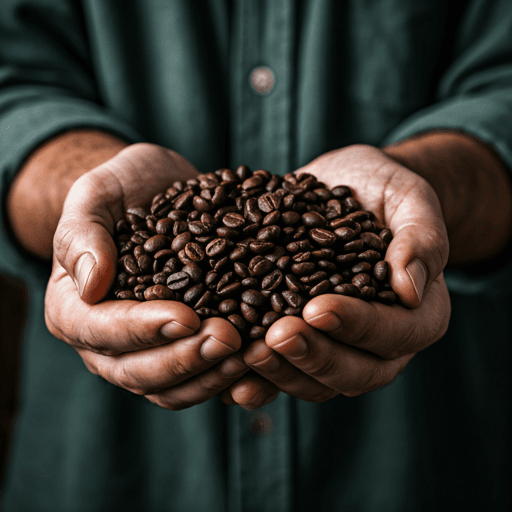
Bru coffee is India's most familiar instant coffee, launched by Hindustan Unilever in 1968 as the country's first coffee-chicory instant blend. If you grew up in an Indian kitchen, the smell of a Bru cup is practically a memory. This guide walks through every Bru variety sold today, what each one tastes like, the chicory question that confuses most buyers, rough INR price bands, and how Bru compares to Nescafe so you can pick the right tin for your home, office or counter.
What is Bru coffee?
Bru coffee is a range of instant and filter coffees made by Hindustan Unilever (HUL), sourced largely from South Indian plantations in Karnataka, Kerala and Tamil Nadu. The original product, still the volume leader, is a coffee-chicory blend. Chicory is a roasted root that was historically added to stretch expensive coffee, but it stuck around in South India because people genuinely like what it does: a thicker body, a darker colour, and a slightly woody, caramel edge that softens coffee's bitterness.
Today Bru is sold as more than one thing. There is classic chicory-blend instant, a 100% pure freeze-dried premium line, ready-mix cappuccino sachets, and roast-and-ground powder for those who brew in a South Indian filter. Knowing which is which saves you from buying the wrong texture by accident.
The full Bru coffee range, variety by variety
Bru organises its line-up across two big buckets: instant coffee (just add hot water or milk) and filter coffee (brew it yourself). Here is the practical breakdown.
Bru Instant (the classic chicory blend)
This is the red-and-brown jar most people picture. It is a roughly 70% coffee, 30% chicory blend with a caramel, faintly chocolatey character. It dissolves easily, takes milk well, and is forgiving if you are not measuring carefully. It is the cheapest entry into the range and the one most Indian households actually keep on the shelf. If you like a milky, sweet, comforting cup rather than a sharp black coffee, this is the natural pick.
Bru Gold (100% pure, freeze-dried)
Bru Gold is the premium step up: 100% pure coffee, no chicory, made by freeze-drying, which locks in more aroma than ordinary spray-drying. The cup is bolder, cleaner and more "coffee forward", and it works better as a black coffee or a stronger latte. You pay more per gram, but you also use less per cup. This is the Bru most people reach for when they want to drink it black or impress a guest.
Bru Green Label (filter coffee)
Green Label is a filter-coffee powder, not an instant. It is a coffee-and-chicory blend (commonly cited around a 53% coffee / 47% chicory split) designed for brewing in a traditional South Indian metal filter, then mixed with hot milk and sugar to make kaapi. If you own a filter and want that decoction-and-froth ritual, this is built for it. It will not dissolve like instant, so do not put it straight in a cup.
Bru Select and Roast & Ground (for filter brewers)
Bru Select and the Roast & Ground powders sit alongside Green Label for people who brew their own. They give you more control over strength and chicory ratio. These are aimed squarely at South Indian filter-coffee homes rather than the office desk.
Bru Cappuccino and Bru Caffe ready-mixes
Bru also sells frothy ready-mix sachets, marketed under cappuccino and Bru caffe-style café-mix branding, where coffee, sugar and a milk-foam mix are pre-combined. You add hot water, stir hard, and get a sweet, frothy cup with no machine. They are convenient for a quick treat but are sweeter and more processed than brewing fresh. Treat them as a dessert-y instant, not your everyday black coffee.
Bru variety comparison at a glance
| Variety | Type | Chicory? | Taste | Best for | Typical price band (MRP) |
|---|---|---|---|---|---|
| Bru Instant | Instant | Yes (~30%) | Caramel, mellow, milky | Everyday milk coffee | Around INR 200-280 / 100-200g |
| Bru Gold | Instant, freeze-dried | No (100% pure) | Bold, clean, aromatic | Black coffee, stronger cups | Higher per gram, premium tier |
| Bru Green Label | Filter powder | Yes (~47%) | Strong, woody, traditional | South Indian filter kaapi | Value, sold by 200-500g pack |
| Bru Select / Roast & Ground | Filter powder | Varies | Customisable strength | Filter enthusiasts | Mid value tier |
| Bru Cappuccino / Caffe mix | Ready-mix sachet | Blend | Sweet, frothy | Quick treat, no machine | Per-sachet or small pack |
Prices move with pack size, retailer and promotions, so treat these as rough bands rather than exact MRPs. A small pouch in a kirana shop and a large jar online will land very differently per gram.
The chicory question: is it good or bad?
Chicory is the single thing people misunderstand about Bru coffee. It is not a defect or a filler to avoid. Chicory is caffeine-free, adds body, deepens colour, and gives that slightly sweet, woody note many South Indians actively prefer. The trade-off is that a chicory blend tastes less "pure coffee" and can feel slightly bitter-edged if over-brewed.
Rule of thumb: if you want the traditional Indian cup and a softer, milkier flavour, chicory blends like Bru Instant and Green Label are right for you. If you want clean, modern, coffee-forward flavour, go pure with Bru Gold. Neither is "better" in the abstract; they are different drinks.
Bru vs Nescafe: how do they compare?
This is the comparison every Indian buyer eventually makes. Both are mass-market giants, but they came from different traditions. Bru leans into the South Indian coffee-chicory heritage; Nescafe (Nestle) built its name on 100% pure instant. The honest summary:
| Aspect | Bru | Nescafe |
|---|---|---|
| Heritage | Coffee-chicory blend, South Indian roots | Pure instant coffee global brand |
| Default flavour | Caramel, mellow, milky (classic line) | Sharper, more straightforwardly coffee |
| Pure option | Bru Gold (freeze-dried) | Nescafe Gold / Classic pure lines |
| Filter coffee | Strong presence (Green Label, Select) | Limited |
| Best if you want | Traditional Indian milk coffee | Clean, modern instant |
If you are torn at the shelf, buy the smallest pack of one chicory blend and one pure coffee, brew them side by side, and trust your own tongue. For a deeper head-to-head on the Nestle line specifically, see our Nescafe vs Nestle coffee range guide, and for the wider field our roundup of the best coffee brands in India.
How to brew Bru coffee well
Instant Bru is hard to ruin, but small things lift the cup. Use one rounded teaspoon per cup, dissolve it in a splash of hot (not boiling) water first to bloom the aroma, then add hot milk and sugar. For Bru Gold, start with slightly less since pure coffee hits harder. For Green Label filter powder, you need an actual South Indian filter and a little patience for the decoction to drip; do not stir it into a cup like instant.
If your interest is the traditional filter ritual rather than instant convenience, our guide to South Indian filter coffee (kaapi) walks through the decoction, the davara-tumbler pour and the milk ratio step by step.
Where Bru fits beyond the kitchen
Bru is built for the home cup. The moment you need to serve coffee at scale, to a family gathering, an office floor or a café counter, instant from a jar stops being efficient. That is where a machine earns its keep: consistent strength, fresh extraction and far less waste per cup. If you brew espresso-style or want fresh beans rather than a chicory blend, an espresso machine or a coffee maker changes the experience entirely; for shared spaces, a coffee and tea vending machine handles volume without anyone babysitting a kettle.
We supply, install, refill and service coffee, tea and espresso machines across India, in cities like Bengaluru and Chennai where filter-coffee culture runs deep. Whether you love your daily Bru cup or want to move up to fresh-brewed quality at your home, office or outlet, tell us your daily cup volume and we will recommend the right setup.