
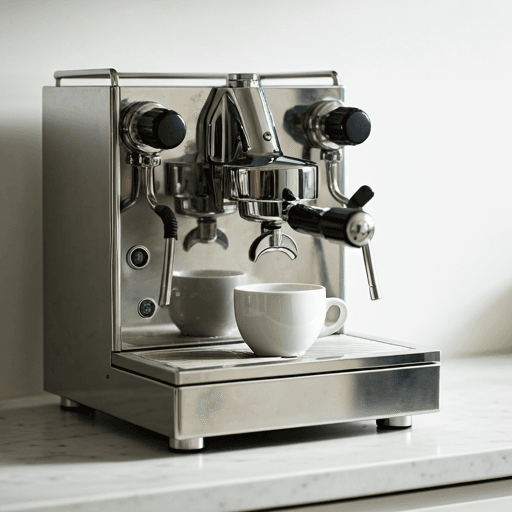
The right coffee machine in India comes down to three things: how many cups you pour a day, your budget in rupees, and whether anyone will be around to maintain it. For most homes, a pod or semi-automatic espresso machine between ₹8,000 and ₹50,000 is the sweet spot; offices of 20–50 people are best served by a bean-to-cup automatic (₹50,000–₹2,00,000); and cafes or HoReCa venues need a commercial machine from ₹1,00,000 upwards. This guide walks through every type, real India price bands, and a by-use-case shortlist so you can match a coffee maker machine to your actual needs instead of overspending on features you'll never touch.
We supply, install, and service coffee machines across India, so the advice below is grounded in what actually holds up in Indian conditions — hard water, voltage fluctuation, and the reality that a machine is only as good as the service network behind it. Treat this as a shortlist tool, not a brand ranking: get the machine class right first, and the model choice within it becomes much simpler.
Start here: the three questions that decide your coffee machine
Before comparing brands or watching another review, answer these. They narrow the field faster than any spec sheet.
- Daily volume. 2–6 cups (home), 15–60 cups (office), 100–300+ cups (cafe). Volume decides the machine class — undersize it and you'll burn out a home unit in a busy pantry within months.
- Budget band. Be honest about the all-in number, including a grinder, water filter, and the first year of beans. Cheap coffee makers often cost more over three years once you add bad-water repairs and capsule refills.
- Who operates and maintains it? A hands-on home barista will enjoy a semi-automatic. A 40-person office wants one-touch operation and self-cleaning, with no training required and no single "coffee person" the team depends on.
Get those three right and the machine type almost picks itself. Now let's look at what's available.
Types of coffee machines explained
Indian retail lumps very different products under "coffee makers," so here is what each one actually does, who it suits, and the typical INR range.
Manual brewers and South Indian filter
French press, pour-over, moka pot, and the classic stainless steel South Indian filter. No electricity, no pump — just you and the grounds. Cheapest way to make genuinely good coffee at home, and almost nothing breaks. Range: ₹500–₹5,000. Best if you drink filter coffee or a couple of cups a day and don't need milk-based drinks at the press of a button.
Drip / filter coffee machines
The electric carafe brewer that drips hot water through ground coffee into a glass jug. Brews 8–15 cups in one go, which makes it handy for a small office pantry or a large household. It can't make espresso, cappuccino, or latte, and the coffee sits on a hot plate, so quality fades after 30 minutes. Range: ₹2,000–₹10,000.
Pod / capsule machines
Drop in a sealed capsule, press a button, done. Zero learning curve, easy cleanup, consistent every time — which is exactly why they suit home offices and small teams. The catch is recurring capsule cost and lock-in to one ecosystem, plus the foil-and-plastic waste. Range: ₹3,000–₹15,000 for the machine; budget ₹25–₹45 per capsule.
Semi-automatic espresso machines
The enthusiast's choice. You control the grind, dose, tamp, and shot, while the machine handles 9-bar pressure and steam. Pair it with a separate grinder for cafe-quality espresso at home. Steeper learning curve, but the most rewarding. Range: ₹10,000–₹1,00,000+. If this is your direction, read our deeper best espresso machine in India guide and our walkthrough on how to make espresso at home.
Bean-to-cup (fully automatic) machines
One touch grinds fresh beans, doses, tamps, brews, and (on milk models) froths — espresso, cappuccino, and latte from a single button. This is the workhorse for offices and busy homes that want variety with no skill required. The built-in grinder means fresher coffee than pods, with no capsule waste, and self-cleaning cycles keep the milk circuit hygienic. Range: ₹50,000–₹3,00,000+.
Commercial / HoReCa machines
Traditional multi-group espresso machines and high-capacity bean-to-cup units built for 150–300+ cups a day, with the boiler power and durability to match. Essential for cafes, restaurants, and hotels. For high-traffic offices and self-serve pantries, also look at vending-style automatics — see our best tea & coffee vending machine for office guide. Range: ₹1,00,000–₹10,00,000+.
Coffee machine price in India: comparison table
Use this to map your coffee maker machine shortlist against budget and daily volume. Prices are typical 2026 India street ranges and move with brand, build, and milk capability.
| Type | Price band (INR) | Cups/day | Milk drinks? | Skill needed | Best for |
|---|---|---|---|---|---|
| Manual / filter brewer | ₹500–₹5,000 | 2–8 | No (manual froth) | Low | Solo home drinkers, filter coffee |
| Drip / filter machine | ₹2,000–₹10,000 | 8–15 per batch | No | Low | Households, small pantries |
| Pod / capsule | ₹3,000–₹15,000 | 5–15 | Some models | None | Home offices, small teams |
| Semi-automatic espresso | ₹10,000–₹1,00,000+ | 5–25 | Yes (manual steam) | High | Home baristas, small cafes |
| Bean-to-cup automatic | ₹50,000–₹3,00,000+ | 20–80 | Yes (one-touch) | None | Offices, busy homes |
| Commercial / HoReCa | ₹1,00,000–₹10,00,000+ | 100–300+ | Yes | Medium–high | Cafes, hotels, restaurants |
By use case: which coffee machine should you buy?
For home (2–6 cups a day)
If you mostly drink filter or black coffee, a ₹500–₹3,000 manual brewer or South Indian filter is unbeatable value. If you want cappuccino and latte without fuss, a pod machine (₹6,000–₹12,000) is the lowest-effort path. And if making coffee is part of the joy, a semi-automatic espresso machine around ₹20,000–₹45,000 with a decent grinder will outperform anything else in the price band. Families that want one-touch variety and have the budget should jump to a compact bean-to-cup. One honest warning: a cheap pressurised "espresso" machine without a real grinder will disappoint — put the money into the grinder before the machine head.
For office (15–60 cups a day)
For a team of 20–50, a bean-to-cup automatic (₹60,000–₹1,50,000) is the standard answer for an office coffee machine: one-touch operation, self-cleaning cycles, no barista, and fresh-ground coffee all day. Smaller home offices or 5–10 person teams can run a premium pod or 3-in-1 capsule machine for under ₹15,000. For pantries where employees self-serve through the day, a vending-style automatic that also pours tea and hot chocolate often delivers the best cost per cup. Match the machine's rated cups-per-hour to your peak — the 11 am and 4 pm rush, not the daily average — and place it near a dedicated 15A point with a water line if possible, so refills don't become a chore.
For cafe / HoReCa (100+ cups a day)
This is non-negotiable commercial territory. A two-group traditional espresso machine for a barista-led cafe, or a heavy-duty bean-to-cup for a QSR or hotel buffet. Budget ₹1,50,000–₹5,00,000+ for the machine, plus a commercial grinder and water treatment. Here, boiler recovery time, build quality, and a responsive service contract matter far more than the sticker price — downtime during the morning peak costs real revenue. Confirm the electrical load too: many commercial single-group and two-group machines need a dedicated high-amperage line, and some draw enough to require three-phase power.
India-specific buying factors people forget
The spec sheet won't warn you about these, but they decide whether your machine lasts five years or fails in eighteen months.
- Water hardness. Much of India has hard water, which scales up boilers and shortens machine life. Budget for an inline filter or RO+softener — it's the single biggest factor in espresso and bean-to-cup longevity. Descale on schedule, and ask whether your machine has a water-hardness setting to tune cleaning frequency.
- Voltage and power. Check the wattage against your circuit, especially for commercial units. A voltage stabilizer is cheap insurance against the fluctuation and surges that fry control boards — and far cheaper than a replacement PCB.
- Serviceability. A great machine with no service presence in your city is a liability. Confirm pan-India service, spare-part availability, and turnaround time before you buy — this is where many imported bargains fall apart, because parts ship from abroad and take weeks.
- Total cost over 3 years. Add beans/capsules, descaling, filters, and AMC to the purchase price. A ₹10,000 machine that needs ₹40/cup capsules can cost more than a bean-to-cup over its life if you pour even ten cups a day.
- Warranty and AMC. Look for at least a 1–2 year warranty and the option of an annual maintenance contract for office and commercial use, with a defined response time written into the contract.
Keeping your coffee machine running in Indian conditions
Buying right is half the job; the other half is a simple upkeep routine. These habits add years to any espresso or bean-to-cup machine and keep every cup tasting the way it should.
- Treat the water first. Soft, filtered water means less scale, fewer breakdowns, and better extraction. This one step matters more than any cleaning product.
- Descale on schedule. Follow the interval for your water hardness, not the optimistic number in the manual. In hard-water cities, that often means descaling more frequently than the default.
- Clean the milk circuit daily. On any one-touch milk machine, run the daily rinse and a weekly deep clean — stale milk is the top cause of off-flavours and service calls in offices.
- Use fresh beans and the right grind. Buy beans in quantities you'll finish in 2–3 weeks, and dial the grinder to your machine. Stale or wrongly ground coffee makes a great machine taste mediocre.
- Book an AMC for shared machines. For office and cafe units, scheduled professional servicing catches wear before it becomes downtime during your busiest hour.
How much should you actually spend?
A simple rule of thumb for Indian buyers: spend on the bottleneck. For homes, that's the grinder and the beans, not the most expensive head unit. For offices, it's reliability and self-cleaning, so a mid-range bean-to-cup beats a flashy machine that needs babysitting. For cafes, it's boiler power and service uptime. Buy one class above your average volume if you expect demand to grow — upgrading later costs more than buying right the first time, and a machine running flat-out at its limit wears faster than one with headroom.
Get a machine matched to your setup
Not sure whether a bean-to-cup, espresso, or vending machine fits your headcount, water, and budget? Tell us your daily cup volume, location, and use case, and we'll recommend the right model with an all-India installation and service plan. Request a quote for a tailored shortlist, or browse our current coffee and tea machines to see what's available now. We handle delivery, installation, water setup, and ongoing service across India — so the machine you choose keeps pouring well past day one.