
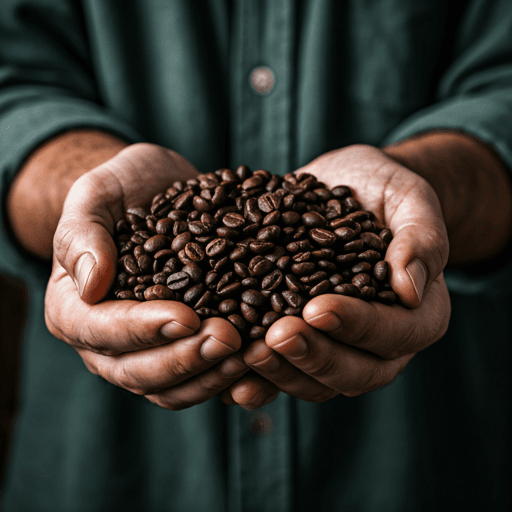
Koraput coffee is a tribal-grown, forest-shaded Arabica from the Koraput district of Odisha, and it is one of the most exciting single-origin coffees India produces. It is grown high in the Eastern Ghats by indigenous communities, under a natural canopy, mostly by organic practice — and it tastes of bright acidity, chocolatey depth and gentle floral, nutty notes. This guide explains what Koraput coffee actually is, how it sits next to Araku, Chikmagalur and Coorg, what you can expect to pay, and how to brew it so the character comes through.
What makes Koraput coffee special
Koraput is part of India's lesser-known eastern coffee frontier. Unlike the big estates of Karnataka, coffee here is farmed by tribal smallholders in the hills around Koraput, often as part of forest-restoration and livelihood programmes run with the state's Tribal Development Co-operative Corporation (TDCCOL). The beans grow slowly at altitude under shade trees, which is exactly the condition fine Arabica likes.
That backstory matters because it shapes the cup. Slow growth and high elevation build sweetness and a clean, layered flavour. Forest shade and organic practice keep the soil alive. The result is a coffee that is genuinely place-specific — the definition of a good single-origin.
On the GI front: Koraput currently falls under the Araku Valley Arabica Geographical Indication, which the Coffee Board of India secured in 2019 for the tribal coffee belt that straddles the Odisha–Andhra Pradesh border. Odisha has since applied for an exclusive GI for Koraput coffee in its own right, to recognise it as a distinct origin rather than a sub-region of Araku.
How Koraput tastes — and how it compares
If you have tried Araku, you already have a head start: the two share a growing region and a production model. Most tasters describe Araku as clean, floral and bright, while Koraput leans a touch nuttier with more roasted, chocolatey depth. Neither is harsh or bitter when roasted and brewed well.
Here is how India's headline single-origins stack up. Treat the flavour notes as typical, not absolute — every estate and roast level shifts the cup.
| Origin | State | Bean | Typical cup | Best brewed as |
|---|---|---|---|---|
| Koraput | Odisha | Arabica | Bright acidity, chocolate, nutty-floral | Pour-over, French press, filter |
| Araku Valley | Andhra / Odisha | Arabica | Clean, floral, fruity, low bitterness | Pour-over, filter, black |
| Chikmagalur | Karnataka | Arabica | Smooth, balanced, versatile | Espresso and filter |
| Coorg (Kodagu) | Karnataka | Arabica / Robusta | Deep, aromatic, full-bodied | Espresso, milk drinks |
| Wayanad | Kerala | Robusta | Bold, earthy, strong | South Indian filter, espresso |
The takeaway: lighter, brighter origins like Koraput and Araku reward gentle brew methods that show off florals and acidity, while fuller Chikmagalur and Coorg lots are built for espresso and milk. If you mainly drink your coffee with milk, a Karnataka Arabica may please you more; if you drink it black and like nuance, Koraput is a delight.
What "single-origin" really means
Single-origin simply means the beans come from one defined place — a country, a region, an estate, sometimes a single farm — instead of being blended across many. The aim is traceability and a clear sense of terroir. Chikmagalur does not taste like Coorg; Koraput does not taste like Wayanad. That difference is the whole point.
Blends are not lesser — they exist to deliver a consistent, balanced flavour year-round, which is why most espresso houses run a house blend. Single-origins are the opposite philosophy: they spotlight one place at one harvest. If you are curious about the difference between whole beans, ground coffee and instant powder, our ground coffee vs beans vs powder guide breaks it down.
A word on luwak coffee
Whenever rare Indian coffee comes up, someone asks about luwak coffee — the so-called civet coffee made from beans eaten and excreted by the Asian palm civet, then cleaned and roasted. A small amount is produced in Coorg, and it is famously among the most expensive coffees in the world, often several thousand rupees for a tiny pack.
Be cautious here. Much of the global luwak supply carries serious animal-welfare problems, because civets are sometimes caged and force-fed coffee cherries to manufacture the product at scale. The novelty rarely justifies the price or the ethics. For almost everyone, a well-grown single-origin like Koraput, Araku or Chikmagalur delivers a more honest, more enjoyable cup for a fraction of the cost — and you can taste exactly where it came from.
What Indian single-origin coffee costs
Single-origin beans cost more than supermarket blends because the yields are smaller and the sourcing is traceable — but they are far from luxury-priced. As a rough guide for India, never an exact MRP:
- Mainstream single-origin (250g): around ₹350–600 — many Chikmagalur and Coorg estate lots from Indian roasters land here.
- Premium tribal single-origin (250g): around ₹600–1,500 — Araku and Koraput selections, organic and small-batch.
- Civet / luwak coffee: often ₹1,500+ for a small 100–150g pack, working out well into five figures per kilo.
Most Indian roasters sell single-origins direct on their websites or on Amazon India, often with the estate, altitude, roast date and tasting notes printed on the bag. Buy whole beans where you can, check the roast date, and finish a bag within a few weeks of opening.
How to brew it so it shines
Great beans need a sympathetic brew. The biggest single upgrade is grinding fresh — pre-ground coffee fades fast. Our coffee grinder buying guide covers what to look for.
- Koraput and Araku: go bright. A French press or pour-over at roughly 1g coffee to 15–16g water lets the florals and acidity sing.
- Chikmagalur and Coorg: these fuller Arabicas make excellent espresso and milk drinks.
- Robusta-forward lots: superb in a South Indian filter with hot milk and sugar.
For an office, café or retail counter, consistency is the challenge — a great bag of single-origin is wasted if every cup is brewed differently. A bean-to-cup or espresso machine fixes that, pulling the same quality shot all day. If you want help choosing one, our coffee machine buying guide is the place to start.
Brew India's best beans, wherever you are
Koraput coffee proves that India's finest single-origins are no longer a secret reserved for specialty cafés — you can pour a forest-grown, tribal-farmed cup at home, in your office or across your outlet. We supply, install and service coffee and espresso machines across India, from Bengaluru to Mumbai, so good beans always meet good extraction. Tell us your space and volume and we will recommend the right setup.