
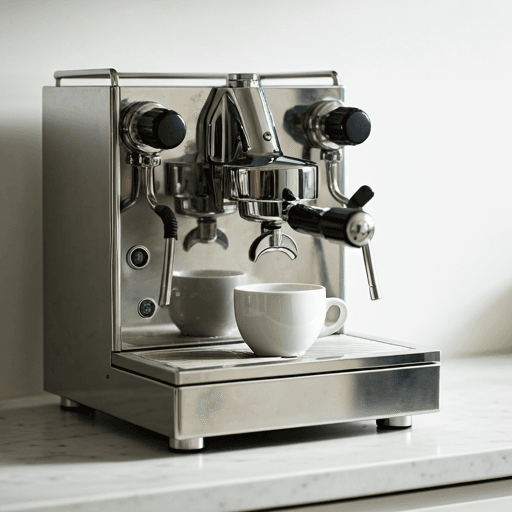
Coffee machine price in India spans a huge range: a basic home drip coffee maker machine price can start near Rs 2,000, a serious home espresso setup runs roughly Rs 15,000-60,000, an office bean-to-cup machine typically lands around Rs 50,000-2,00,000+, and a commercial cafe machine can cost anywhere from about Rs 1,00,000 to Rs 10,00,000+. This guide breaks down exactly what you pay at every budget, what you actually get for the money, and how to avoid overspending on features you will never use.
We have framed every figure as a durable range, not a live quote, because retail prices shift with brand, model year, GST, import duty and offers. Use the bands below to set expectations, then request a tailored quote for the exact model and volume you need.
Coffee machine price in India at a glance
Before drilling into each type, here is the big picture. The single biggest driver of price is not the brand on the front - it is how much of the work the machine does for you and how many cups a day it is built to survive. A manual filter does almost nothing automatically and costs a few hundred rupees; a super-automatic bean-to-cup grinds, doses, brews and froths at the touch of a button and costs lakhs.
| Category | Typical price band (INR) | Best for | Daily cups |
|---|---|---|---|
| Manual filter / Moka pot / French press | Rs 300 - 3,000 | Solo home brewers, filter-coffee lovers | 1-6 |
| Drip coffee maker | Rs 1,500 - 8,000 | Families, smooth black coffee | 4-12 |
| Home espresso (pump / pod) | Rs 8,000 - 35,000 | Cappuccino & latte at home | 2-10 |
| Premium home / prosumer espresso | Rs 35,000 - 1,00,000+ | Enthusiasts, small home cafes | 5-20 |
| Office bean-to-cup (super-automatic) | Rs 50,000 - 2,50,000+ | Offices, small institutions | 30-200 |
| Tea & coffee vending machine | Rs 8,000 - 60,000 (or rental) | Offices, factories, high footfall | 100-2,000 |
| Commercial traditional espresso (cafe) | Rs 1,00,000 - 10,00,000+ | Cafes, restaurants, hotels | 150-500+ |
If you only remember one thing: match the machine to your real daily volume and the drinks you actually order. Most regret comes from buying too little machine for an office, or too much machine for a home that drinks two cups a day.
Home coffee maker machine price: Rs 2,000 to Rs 60,000+
Home is where the coffee making machine price question gets most confusing, because "coffee machine" covers everything from a Rs 300 steel filter to a Rs 80,000 prosumer espresso unit. Here is how the home ladder works.
Under Rs 3,000 - manual and traditional
The classic South Indian stainless-steel filter, a Moka pot, or a French press all sit here. No electricity, no pump, just good coffee if you use good grounds. This is the lowest coffee maker machine price you will find, and for many households it is genuinely all they need. If this is your style, our South Indian filter coffee guide and Moka pot guide walk through technique.
Rs 1,500 - 8,000 - drip coffee makers
An electric drip machine (Philips, Preethi, Morphy Richards and similar) brews a carafe of smooth black coffee on a timer. Ideal for families and offices of 2-4 people who drink Americano-style coffee rather than milky espresso drinks. Low maintenance, easy to live with, and a sensible first "real" machine.
Rs 8,000 - 35,000 - home espresso and pod machines
This is where cappuccino and latte at home become realistic. You will see two routes:
- Pump espresso machines with a steam wand (around 15-20 bar) - you grind/dose and froth milk yourself. More skill, more reward, lower running cost.
- Pod / capsule machines - push a pod, get a consistent shot. Higher per-cup cost, near-zero skill, very tidy.
If you are weighing these against each other, the best coffee machines for home guide and best espresso machine in India guide compare specific options. A separate grinder buying guide matters here too - a good grinder often improves the cup more than a pricier machine.
Rs 35,000 - 1,00,000+ - prosumer and bean-to-cup
At the top of the home range you get dual-boiler prosumer espresso machines for hobbyists, and compact super-automatic bean-to-cup machines (De'Longhi, Philips/Saeco) that grind and froth automatically. These are for households that drink several espresso-based cups daily and want cafe quality without the ritual.
Rule of thumb for homes: spend on the grinder and your beans before you chase the most expensive machine. Great espresso is repeatable - and repeatability comes from fresh grounds and consistent dosing, not just a bigger price tag.
Office coffee machine price: bean-to-cup and vending
Offices have a completely different cost equation: per-cup cost, uptime and refills matter more than the sticker price. A machine that is cheap to buy but breaks down or runs out is expensive in lost time.
Bean-to-cup super-automatics (Rs 50,000 - 2,50,000+)
For a team that values quality - say 20 to 80 people who want real cappuccinos, lattes and Americanos on demand - a commercial super-automatic is the sweet spot. One button, fresh-ground coffee, automatic milk. The higher the cup-per-day rating and the more drink options, the higher the price.
Tea & coffee vending machines (Rs 8,000 - 60,000, or rental)
For high-volume sites - factories, large floors, institutions - premix vending machines dispense tea, coffee and more in seconds. Outright machine cost is modest, but many Indian offices prefer a rental + refill model: a low monthly rental (commonly a few hundred to a few thousand rupees) with the supplier handling premix, maintenance and breakdowns. That converts a capital purchase into a predictable monthly cost and removes the servicing headache.
To decide between bean-to-cup and vending for a workplace, read our best tea & coffee vending machine for office guide. The right answer usually comes down to headcount, the drinks your team actually wants, and whether you would rather own or rent.
| Office size | Sensible option | Why |
|---|---|---|
| 2-10 people | Drip maker or home espresso | Low cost, easy to run |
| 10-50 people | Bean-to-cup or premix vending | Speed + consistency |
| 50-200+ people | Multiple vending units or commercial machines | Throughput + uptime |
Cafe and commercial coffee machine price: Rs 1 lakh to Rs 10 lakh+
A cafe, restaurant or hotel buys a different class of machine entirely. Traditional multi-group espresso machines (one, two or three groups) are built for 150-500+ cups a day, hours of continuous steaming, and the consistency a paying customer expects. Entry commercial machines start around Rs 1,00,000-2,00,000; premium Italian brands and high-output multi-group setups run well into several lakhs, and top-tier units exceed Rs 10,00,000.
For commercial buyers the machine is only part of the cost. Budget for a quality grinder, water treatment (Indian water hardness will scale and damage a machine fast without it), training, and an annual service contract. A machine that is down during the morning rush costs far more than its service plan. If you are kitting out a cafe, the coffee machine buying guide covers the full checklist.
What actually drives coffee machine price?
Two machines that look similar can differ by tens of thousands of rupees. Here is where the money goes:
- Automation - manual lever to super-automatic bean-to-cup. More automation, more cost.
- Boiler design - single boiler, heat exchanger, or dual boiler. Dual-boiler (brew and steam at once) is pricier and faster.
- Build and duty cycle - a machine rated for 50 cups a day is built lighter than one rated for 300.
- Grinder quality - built-in or separate, conical vs flat burrs. This single component swings both price and cup quality.
- Brand, import duty & GST - imported Italian and European machines carry duty and shipping; Indian-assembled units are often better value for the same output.
- After-sales & spares - a slightly higher price from a supplier with all-India service and stocked spares is usually cheaper over five years than a grey-market bargain.
Don't forget the running cost: it's not just the machine
The purchase price is the start, not the whole story. Over a machine's life, what you spend on coffee can dwarf the hardware. Running cost depends on:
- Beans or premix - the price of coffee itself moves with the global market.
- Milk, sugar, pods or capsules - pod machines have a low buy price but a high per-cup cost.
- Water filters, descaling and servicing - small but recurring.
- Electricity - minor for homes, meaningful for high-volume commercial machines.
Because coffee is a globally traded commodity, the price of the beans going into your machine is set far from your kitchen. Arabica (smoother, pricier) trades on the New York/ICE exchange, while robusta (stronger, more caffeine, the backbone of most Indian instant and espresso blends) trades on the London/ICE market. Indian buyers feel four big forces: those global futures prices, the USD-INR exchange rate, weather and harvest news from major growers (Brazil, Vietnam, and India's own Karnataka, Kerala and Tamil Nadu belts), and the supply-chain steps from bean to roastery to cup. When a frost or drought hits a major origin, or the rupee weakens, your premix and bean prices drift up months later.
You don't need to trade futures to stay informed. You can track broad coffee price trends through commodity exchanges, MCX and mainstream financial platforms, and broker chart tools - the same sources roasters watch. For a plain-English walkthrough, see coffee prices in India explained, the deeper-dive arabica vs robusta price guide, and how to read coffee price charts.
How to choose without overspending
A simple way to land on the right machine and the right price:
- Count real cups per day. Be honest - this sets the machine class and rules out both over- and under-buying.
- List the drinks you actually order. Black coffee only? A drip maker is plenty. Cappuccinos and lattes? You need pressure and a milk system.
- Decide buy vs rent. Offices and high-volume sites often win with rental + refill; homes almost always buy.
- Account for running cost. Add beans/premix, milk, filters and service to compare true cost, not just sticker price.
- Check service reach. Confirm spares and on-site service exist in your city before you commit.
Get those five right and the price almost chooses itself.
Buying in your city
We install, refill and service machines across India, so local serviceability is built in. Whether you are in Mumbai, Delhi, Bengaluru, Hyderabad, Pune or Chennai, on-site support means a breakdown is a phone call, not a write-off.
The bottom line on coffee machine price
There is no single "right" coffee machine price in India - only the right machine for your cups, your drinks and your serviceability. Homes can be brilliantly served from Rs 2,000 to Rs 60,000; offices should weigh bean-to-cup against rental vending; cafes are buying a workhorse and a service plan, not just a shiny box. Anchor your decision to daily volume and true running cost, and you will not overpay.
Ready for an exact number? Request a tailored quote and we will recommend the right model for your space and budget, or browse our full range of coffee machines to see what fits.