
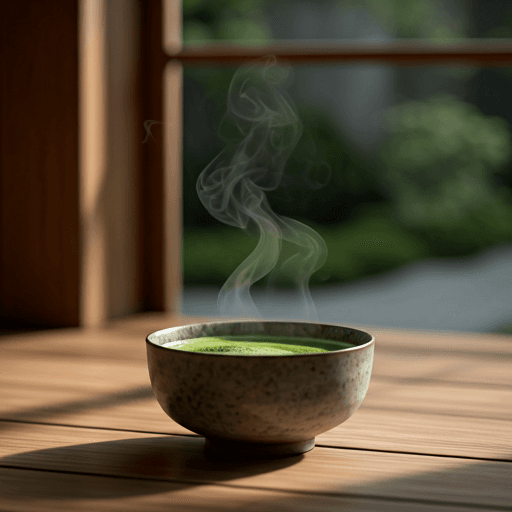
Chai is India's everyday spiced milk tea. At its simplest, chai is black tea boiled together with milk, sugar, and a pinch of spice, then strained hot into a small glass or clay cup. The word itself just means "tea" in Hindi, Urdu, and most Indian languages, so when people say "chai tea" they are really saying "tea tea." What most people picture is masala chai, the spiced version that has become the unofficial national drink of India.
This guide explains what chai is, what goes into it, how it is brewed the Indian way, the regional styles you will run into across the country, and a little real history of how it became so central to daily life. If you want to make a proper cup yourself, our how to make masala chai at home guide walks through the method step by step.
What does "chai" actually mean?
Chai simply means tea. The word traces back through Hindi and Persian to the Chinese cha, which is why so many languages across Asia use a version of it. So chai on its own does not mean "spiced" or "milky" anything. It means the leaf in your cup.
The drink the rest of the world calls "chai" is more precisely masala chai — "masala" meaning spice blend, "chai" meaning tea. In India you rarely order "chai tea." You just ask for chai, and what you get depends entirely on where you are standing. A roadside stall in Mumbai, a home kitchen in Punjab, and a café in Hyderabad will all hand you something different under the same name.
You will also hear the affectionate phrase desi chai — "desi" meaning local, homegrown, of-the-land. Desi chai is the strong, milky, properly boiled cup made the Indian way, as opposed to a teabag dunked in hot water. It is the cup your nani makes and the one a chaiwala pours from a battered steel pan.
What goes into a cup of chai
A standard masala chai has four building blocks. Get these right and everything else is personal taste.
- Black tea: Strong, brisk Indian black tea — usually Assam, often as CTC (crush-tear-curl) granules that brew dark and bold fast. This is what gives desi chai its colour and kick.
- Milk: Full-fat dairy, simmered right into the tea rather than added cold at the end. Many households use a roughly half-water, half-milk ratio.
- Sweetener: White sugar most commonly, sometimes jaggery (gur) or condensed milk depending on the region and the household.
- Spices (the masala): Cardamom is almost universal. Ginger is the next most common, especially in winter. After that comes a personal mix of cinnamon, cloves, black pepper, fennel, and nutmeg.
The spice blend is where chai gets personal. If you want to build your own balanced mix, our chai masala spice blend recipe breaks down the proportions and which spices do what.
The spices, briefly
| Spice | What it adds |
|---|---|
| Cardamom (elaichi) | Floral, sweet, the signature chai aroma |
| Ginger (adrak) | Warmth and a sharp, peppery bite |
| Cinnamon (dalchini) | Sweet, woody depth |
| Cloves (laung) | Intense, slightly medicinal warmth |
| Black pepper (kali mirch) | Gentle heat, good in cold weather |
| Fennel (saunf) | Cooling, liquorice-like sweetness |
How chai is made the Indian way
The key difference between desi chai and a Western cup of tea is that chai is boiled, not steeped. You do not pour hot water over a teabag. You bring everything to a rolling boil together in a pan.
The classic stovetop method goes roughly like this:
- Bring water to a boil with crushed ginger and cardamom (or your spice mix).
- Add the black tea and let it boil hard for a minute or two until the colour deepens.
- Pour in the milk and sugar, then let the whole thing rise and froth — boiling it up two or three times is common for a richer cup.
- Strain hot into glasses and serve immediately.
That repeated boiling pulls more body and colour out of the leaf, which is exactly the point. It is also why chai tastes so different from a delicate first-flush Darjeeling brewed gently. For the full method with timings, see how to make masala chai at home.
Regional chai styles across India
"Chai" is not one drink. Travel a few hundred kilometres and the same word delivers something new. Here are the styles worth knowing.
Masala chai
The default across most of north and central India: black tea, milk, sugar, and a warming spice blend led by cardamom and ginger. This is the cup most people mean by "chai."
Cutting chai
A Mumbai institution. "Cutting" means half a glass — a strong, sweet, quick hit of chai sold by the millions from roadside stalls, carts, and station kiosks. It is so woven into the city that people just order a "cutting."
Irani chai
Brewed in the old Irani cafés of Mumbai and Hyderabad. Hyderabadi Irani chai is famous for its smooth, milky body, often made with khoya or mawa (reduced milk) and served with Osmania biscuits. We cover the cafés themselves in our guides to Irani and Parsi cafés of Mumbai and Pune and the drink itself in Irani chai and iconic regional chai styles.
Noon chai (Kashmiri pink tea)
A savoury, salty pink tea from Kashmir, made with green tea, baking soda, and milk, often topped with crushed nuts. "Noon" means salt in Kashmiri — this is chai that breaks every sweet-and-milky rule.
Sulaimani chai
A light, black, milk-free tea from Kerala and the Malabar coast, brightened with lemon and spices and often served after a heavy meal to aid digestion. It carries Arab trade-route roots and is popular in the Mappila Muslim community.
Kadak chai
Not a region so much as a strength. "Kadak" means strong — a longer boil and a higher tea-to-water ratio for an intense, no-nonsense cup. This is the morning-jolt chai.
A short history of chai in India
Tea has grown wild in Assam since antiquity, but Indians long treated it as medicine rather than a daily drink — and some chai spice blends still trace back to Ayurvedic texts. The everyday tea habit really took hold under British rule, when the East India Company pushed black tea consumption in the early twentieth century.
Vendors made the leaf stretch further by boiling it up with milk, sugar, and spice — cheaper, tastier, and more filling. As railways spread, chaiwalas appeared on platforms across the country, pouring chai into small clay kulhads. Those stalls became meeting points, and chai became the social glue it still is: offered to every guest, brewed at every break, sold on every corner.
Chai day: when India celebrates its favourite drink
If you want a reason to brew a special cup, there are two dates to know. International Tea Day falls on 21 May, recognised by the United Nations to honour tea farmers and tea culture worldwide — and India, as a top producer, has plenty to celebrate. There is also a National Chai Day observed on 21 September. Either makes a fitting "chai day" excuse to gather people over a pot. We dig into the wider story in our guide to International Tea Day and tea culture in India.
Finding good chai near you
Great chai is rarely about a fancy room — it is about a steady hand at the pan. The best cup near you might be a station stall, a decades-old Irani café, or a modern chai chain. For café-style sit-down chai, brands like Chai Point and others have spread across metros; we cover them in Chai Point and chai chains near you. To explore the cafés and tea spots in your city, browse our city pages such as Mumbai, Hyderabad, or Pune.
Serving chai-quality tea at your office or outlet
If you run an office, café, or shop and want to pour consistent, properly brewed chai all day without someone manning a pan, that is exactly what good tea and beverage machines are for. A reliable tea machine or multi-drink vending machine can dispense fresh masala chai, coffee, and more at volume, with the same cup every time. We supply, install, refill, and service machines across India — if you would like a recommendation sized to your daily cup count, tell us what you need and we will point you to the right fit.