
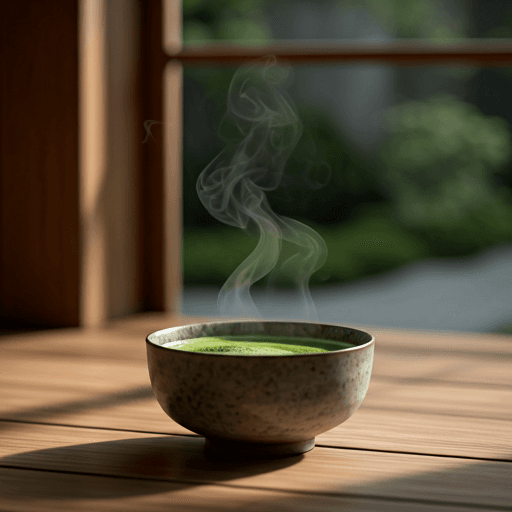
Tea chai masala is the ground spice blend that turns plain milk tea into masala chai. At its heart it is just a few warming spices: green cardamom, ginger, black pepper, cloves and cinnamon, dry-roasted and ground together. Add a teaspoon to brewing tea and the cup changes completely. This guide gives you a balanced base recipe, the right proportions, regional variations across India, and the brewing method that gets you a proper kadak cup.
What is tea chai masala?
"Masala" means spice mix. "Chai" means tea. So masala chai is simply spiced tea, and tea chai masala is the dry spice powder you stir into it. There is no single official recipe. Almost every Indian household keeps its own blend, mixed to family taste and topped up a few times a year.
The blend matters more than the tea brand. A strong CTC or Assam tea base carries the spices best, but the character of the cup, whether it leans peppery, gingery, or floral with cardamom, comes from the masala. Get the blend right and even ordinary tea tastes like a good roadside tapri cup.
A quick history
The idea of boiling spices in water is old. Ayurvedic kadha (called kashayam in the south) used ginger, cardamom, pepper and other spices as a medicinal decoction long before tea was common in India. Tea itself spread widely only after the British developed Assam plantations from the 1830s. Indian kitchens then did what they have always done: they added milk, sugar and a handful of home spices, and masala chai became the everyday drink it is today. So tea masala chai is genuinely a meeting of two traditions, a colonial-era crop folded into an existing Indian spice habit.
The core tea masala chai spice blend
Six spices form the backbone of most blends. You do not need all of them, but these are the usual suspects:
- Green cardamom (elaichi) — the signature aroma. Floral, slightly citrusy, used in almost every blend.
- Ginger (sonth/adrak) — warmth and bite. Dry ginger powder in the blend, or crushed fresh ginger added while brewing.
- Black pepper (kali mirch) — a sharp, heating note. Loved in winter and monsoon cups.
- Cloves (laung) — deep and slightly medicinal. A little goes a long way.
- Cinnamon (dalchini) — sweet, woody warmth that rounds everything off.
- Fennel (saunf) — optional, adds a mild sweet-anise note and aids digestion.
Optional extras you will see in regional and family blends include nutmeg, mace (javitri), star anise, saffron, dried rose, and tulsi. Use these sparingly; one strong spice can dominate the whole jar.
A balanced base recipe
This makes a small jar that flavours roughly 40 to 50 cups. Scale it up once you know your preference.
- 3 tbsp green cardamom pods (or seeds)
- 2 tbsp dry ginger powder
- 1 tbsp black peppercorns
- 1 tbsp cloves
- 2 inch cinnamon stick, broken
- 1 tsp fennel seeds (optional)
- Pinch of grated nutmeg (optional)
Method:
- Dry-roast the whole spices (not the ginger powder) in a pan on low heat for 2 to 3 minutes, until fragrant. Do not let them brown.
- Cool completely. Warm spices steam up the grinder and turn the powder pasty.
- Grind to a fine powder with the ginger powder added in.
- Sieve once for an even texture, then store in an airtight jar away from heat and light.
A blend like this stays fresh for about three months. Make small batches often rather than one large jar, because ground spice loses aroma fast.
Getting the proportions right
Ratios are where personal taste lives. The base recipe above leans cardamom-forward and balanced. Adjust from there:
| If you want | Increase | Ease off |
|---|---|---|
| A floral, fragrant cup | Cardamom | Pepper, cloves |
| A warming winter cup | Ginger, black pepper | Fennel |
| A sweet, mellow cup | Cinnamon, fennel | Cloves, pepper |
| A bold, kadak cup | Ginger, cloves | — |
A safe rule: cardamom is the lead, cinnamon and ginger are the body, and cloves and pepper are accents you add by the pinch. Cloves and pepper turn bitter and harsh if overdone, so start light and build up over a few batches.
Regional and family variations
Tea masala tea is not one flavour across India. The blend shifts with geography and what grows nearby.
- The South (Kerala, Tamil Nadu): often spicier, with more pepper and ginger heat in the cup.
- The Western Ghats / cardamom country: cardamom takes centre stage. Some drinkers here skip pepper and cinnamon entirely to let elaichi shine.
- Gujarat: richer and creamier, with generous milk, and sometimes a pinch of saffron for a floral, faintly sweet note.
- Assam and the east: a strong, milk-heavy kadak chai built on bold CTC tea, where the spice plays a supporting role.
For a deeper tour of these styles, including Irani chai and other regional cups, see our guide to Irani chai and iconic regional chai styles. If you are new to the drink itself, start with what is chai.
How to brew masala chai with your blend
The blend is only half the cup. Brewing technique does the rest. Here is a reliable method for two cups.
- Bring 1.5 cups of water to a boil. Add 1 tsp of your tea chai masala and, if you like, a small piece of crushed fresh ginger.
- Add 2 tsp of strong CTC or Assam tea. Let it boil hard for a minute so the colour deepens.
- Add 1 cup of milk and sugar to taste. Let it come up to a rolling boil, then lower the heat.
- Simmer 3 to 5 minutes. The longer, gentler simmer is what builds a proper kadak cup. Lifting and pouring the chai with a ladle a few times helps it froth.
- Strain into cups and serve hot.
For loose-spice purists, you can skip the powder and crush whole cardamom, a clove and fresh ginger directly into the water. It is more aromatic but less convenient for a daily cup. For a full from-scratch walkthrough, see how to make masala chai at home. Pour it into proper cups and it feels like an occasion; our notes on tea serving essentials cover cups, strainers and the small details.
Common mistakes
- Boiling the spices too briefly. Spices need a real simmer to release flavour. A 30-second brew tastes flat.
- Over-cloving. Two or three cloves too many and the whole jar turns medicinal.
- Stale powder. Ground masala older than a few months smells dusty, not bright. Make smaller batches.
- Weak tea base. Delicate teas get lost under spice. Use a robust CTC or Assam.
Serving chai-quality tea at scale
Making one good cup is easy. Serving consistent masala chai to a full office or a busy outlet, every hour, all day, is a different problem. That is where hot-beverage machines come in. A good tea and chai vending machine delivers a consistent spiced cup at the touch of a button, and a combined tea and coffee vending machine covers both crowds in one unit. We supply, install, refill and service these machines across India.
If you run a cafe or pantry in a metro, we handle setup and servicing in cities like Mumbai, Bengaluru and Delhi, among others. Browse the full machine catalogue to see what fits your volume.
Want help serving chai-quality tea at your office or outlet? Tell us your daily cup volume and we will recommend the right machine and a refill plan.