
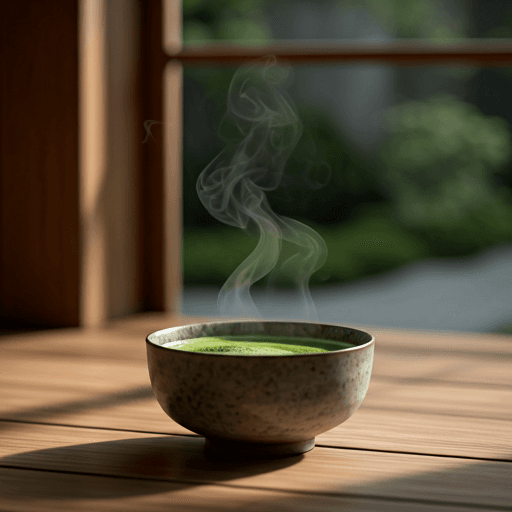
International Tea Day is observed on May 21 every year. The United Nations General Assembly designated the date in 2019 to celebrate the cultural, economic and social value of tea, and to support the millions of workers and small farmers who grow it. For India, the world's largest tea-drinking nation, this is less a foreign holiday than an official excuse to do what it already does best: brew, pour and share a cup of chai.
This guide explains where International Tea Day came from, why India sits at the centre of the story, and how the country's everyday chai ritual became a culture worth celebrating. We will also cover the major growing regions, the regional chai styles you find from Mumbai to Kashmir, and how to bring some of that warmth into your own home or office.
What is Tea Day and when is it?
There are, confusingly, two tea days. The first International Tea Day was marked on 15 December 2005 in tea-producing countries including India, Sri Lanka, Nepal, Vietnam and Bangladesh. It began as a trade-union and producer initiative to draw attention to the working conditions and fair-trade concerns of tea labourers.
The version most people now celebrate is the United Nations one. On 21 December 2019, the UN General Assembly adopted a resolution naming 21 May as International Tea Day, asking the Food and Agriculture Organization (FAO) to lead the observance. India was among the countries that pushed for the recognition. The date was chosen because May aligns with the start of the main tea-harvest season in most major producing countries.
The purpose is twofold: celebrate tea as the world's most-consumed drink after water, and promote sustainable production while supporting the rural livelihoods that depend on it. So when someone asks what Tea Day is, the short answer is a UN observance on May 21 honouring tea's culture and the people who grow it.
Why two dates still exist
Older calendars and some industry bodies still mark December 15 out of tradition. Both dates point at the same idea. If you see "International Tea Day" floating around in May, that is the UN-recognised one and the date most widely observed today.
India and tea: a few facts worth knowing
India is the world's second-largest tea producer after China, and its largest consumer. Roughly 70 percent of the tea India grows never leaves the country; it is drunk at home, in offices, on trains and at lakhs of roadside stalls. That single statistic explains why tea here is a daily habit rather than an occasional luxury.
The story is surprisingly recent. The Singpho tribe of upper Assam brewed a native tea plant long before the British arrived. The British East India Company began commercial cultivation in the 1830s, establishing the first English tea garden at Chabua in 1837 and forming the Assam Tea Company in 1840. By the early 1900s, Assam had become the leading tea-growing region in the world. Mass tea-drinking among Indians, oddly, was the result of an aggressive 20th-century marketing push by the tea industry, which is when vendors started adding milk, sugar and spices and invented what we now call masala chai.
The three great growing regions
| Region | Character | Best known for |
|---|---|---|
| Assam | Bold, malty, brisk, full-bodied | The backbone of strong milky chai and most CTC tea |
| Darjeeling | Light, floral, muscatel, delicate | The "Champagne of teas", best had without milk |
| Nilgiri | Bright, fragrant, smooth | South Indian blends and iced teas |
Assam is the workhorse behind the average Indian cup. Its CTC (crush-tear-curl) leaf brews strong and fast, holds up to milk and sugar, and is exactly what you want when you are pulling a hundred cups a morning at a tea stall.
India's chai culture, region by region
There is no single Indian chai. The base recipe — black tea simmered with milk, sugar and spices — bends in every direction as you travel. This diversity is the real reason Tea Day means more here than almost anywhere else.
- Masala chai (pan-India): black tea boiled with milk and a spice mix of ginger, cardamom, cinnamon, cloves and pepper. The default cup in most homes.
- Cutting chai (Mumbai): a strong, small half-glass meant for a quick break. "Cutting" because one full glass is cut into two, shared between friends.
- Sulaimani / kattan chaya (Kerala & Malabar): a clear black tea with lemon and sometimes cardamom, served after heavy meals like biryani. A fixture at Mappila weddings.
- Noon chai (Kashmir): a pink, salted tea made with green tea, milk and baking soda, cooked in a samovar. "Noon" means salt in Kashmiri.
- Irani chai (Hyderabad): rich, slow-brewed and milky, born in the Irani cafes of the old city and best paired with Osmania biscuits.
The chai wallah
None of this works without the chai wallah — the tea vendor whose stall is the unofficial town square of every Indian neighbourhood. Deals are struck, gossip is exchanged and friendships are kept alive over a four-rupee glass. Female vendors are called chai wallis. This stall culture, more than any grand ceremony, is what India actually celebrates on Tea Day.
Tea in India is not a drink you order. It is a thing you are handed, often before you have asked, and it is how a guest is made to feel at home.
A note on "tea PNG" and tea imagery
Search for tea around May 21 and you will turn up endless "tea PNG" graphics — transparent cup-and-saucer images, steaming-chai icons and leaf clip-art that designers drop into greetings and social posts for the day. They are handy for a quick Tea Day card, but they are a stand-in for the real thing. The point of the observance is the cup itself: who grew it, who poured it, and who you share it with. Treat the tea PNG as decoration and the actual brew as the substance.
How to celebrate Tea Day at home or in the office
You do not need a ceremony. The most fitting way to mark the day is to brew something good and share it.
- Brew a proper masala chai. Start with strong Assam CTC, fresh ginger and cardamom, and let it simmer rather than rush. Our guide to making masala chai at home walks through the ratios.
- Try a regional style you have never made. A clear Sulaimani after dinner, or a delicate first-flush Darjeeling served plain, shows off how wide the spectrum runs.
- Get the serving right. A warm cup, a strainer and a teapot change the experience more than people expect — see our notes on tea serving essentials.
- Make it easy for the whole office. If you are brewing for a team, consistency matters more than artistry, which is where a machine earns its keep.
Keeping a workplace in tea, all year
For offices and busy spaces, a good tea and chai vending machine delivers a steady, hygienic cup at the touch of a button — useful when one chai wallah cannot serve a floor of two hundred. If your team splits between tea and coffee, a dual vending machine covers both, and our office vending buying guide explains how to size one to your headcount. For homes that want cafe-style filter coffee alongside the chai, the wider machines catalog is the place to start.
The takeaway
International Tea Day on May 21 is a global nod to a drink India has quietly elevated into a daily ritual of welcome. The history is short, the regional variety is enormous, and the heart of it all is the simple act of pouring someone a cup. Whether you do that with a clay kulhad on a station platform or a vending machine in a Bengaluru office, the gesture is the same.
Want to recreate cafe-quality tea and coffee for your home or workplace, anywhere in India? Tell us your space and headcount and we will recommend, install and service the right machine for you.