
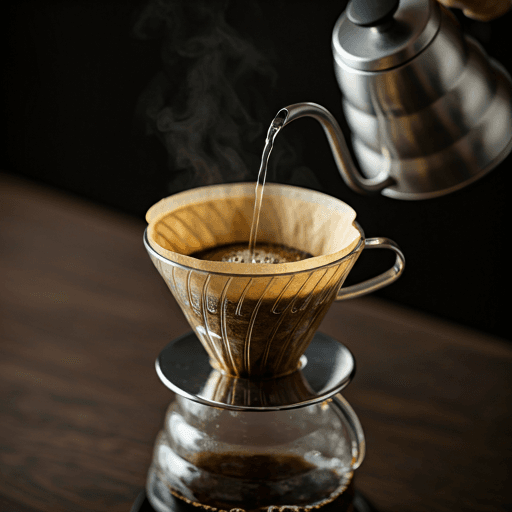
A mocha is a chocolate-coffee drink built from three things: a shot of espresso, melted chocolate or chocolate syrup, and steamed milk, usually finished with a little foam or whipped cream. It is the sweetest, most dessert-like member of the espresso family, and you will see it written on menus as cafe mocha, caffe mocha, mochaccino or mocha latte. They all mean the same drink.
If a latte is coffee plus milk, a mocha is coffee plus milk plus chocolate. That single addition is what makes it richer, sweeter and the easiest "coffee" to love for people who do not actually like the bitterness of black coffee. Below we explain exactly what goes into one, how it differs from a latte and cappuccino, what it costs at Indian cafes, and how to make a proper cafe mocha at home, with or without an espresso machine.
What is a mocha, really?
The name comes from Mocha (Al-Mokha), a port city in Yemen that was historically famous for coffee beans with a natural chocolatey note. Over time the word "mocha" stopped meaning the bean and came to mean the chocolate-flavoured coffee drink we know today. So when an Indian cafe lists a caffe mocha, it is not telling you the origin of the beans, it is telling you there is chocolate in the cup.
A standard cafe mocha is roughly:
- 1 shot of espresso (about 30 ml) for a single, or a double for a stronger drink
- 1 to 2 tablespoons of chocolate as syrup, sauce or cocoa powder
- 150 to 200 ml of steamed milk, with a thin layer of foam
- An optional finish of whipped cream and a dusting of cocoa or chocolate shavings
The milk-to-coffee ratio sits around 2:1, which is why a mocha tastes smooth and creamy rather than sharp. The chocolate is usually stirred into the hot espresso first so it melts evenly, and only then is the milk added on top.
Cafe mocha vs caffe mocha: is there a difference?
No. "Cafe mocha," "caffe mocha" and "cafe mocha" are just different spellings of the same Italian-rooted name (caffe is simply Italian for coffee). Some menus use the Italian spelling to sound more authentic, but the drink in the cup is identical. If you ever see "mochaccino" it is the same idea too, though some baristas use it to mean a smaller, more cappuccino-style version with extra foam.
Mocha vs latte vs cappuccino
The quickest way to understand a mocha is to line it up against the two drinks it is most often confused with. All three start with espresso and milk; the differences are chocolate, foam and sweetness.
| Drink | Espresso | Chocolate | Milk & foam | Tastes like |
|---|---|---|---|---|
| Mocha | 1 shot | Yes | Lots of steamed milk, light foam, often whipped cream | Sweet, chocolatey, dessert-like |
| Latte | 1 shot | No | Lots of steamed milk, thin foam | Mild, milky, balanced |
| Cappuccino | 1 shot | No | Equal milk and thick foam | Stronger coffee, airy texture |
In short: take a latte, add chocolate, and you have a mocha. Want more coffee punch and less milk? That is a cappuccino. The whole family is built on the same foundation, which is why understanding espresso first makes every other drink make sense.
How much caffeine is in a mocha?
A mocha made with a single shot of espresso has roughly 60 to 100 mg of caffeine, similar to a latte. The chocolate adds a tiny amount more (around 5 to 12 mg per serving), so a mocha is marginally more caffeinated than a plain latte, but the difference is small. A double-shot mocha roughly doubles the espresso caffeine. The bigger difference is calories and sugar, not caffeine, because the chocolate and any whipped cream add up quickly.
Hot mocha vs iced mocha
A mocha works both ways, which suits the Indian climate well.
- Hot mocha: chocolate is stirred into hot espresso, then steamed milk is poured over and the drink is served warm. Best in cooler months or air-conditioned offices.
- Iced mocha: the espresso and chocolate are mixed, cooled, then poured over ice with cold milk instead of steamed milk. A favourite through most of the Indian summer. For a cold-coffee twist, you can blend it, similar to a cold coffee at home.
What a cafe mocha costs in India
Order one at a chain and you are typically looking at around Rs 250 to Rs 400 depending on the brand, city and size. Starbucks India and similar premium cafes sit at the higher end; Cafe Coffee Day, Barista and local cafes are usually more affordable. Add-ons like an extra shot, whipped cream or oat milk push the price up further.
Make the same drink at home and the per-cup cost drops to roughly Rs 25 to Rs 60, depending on whether you use a chocolate sauce, cocoa powder or a premix. That gap is exactly why so many homes and offices in India are moving the daily mocha in-house, especially where several people want one every day. You can read more on coffee brands available in India if you want to pick beans or powder.
How to make a cafe mocha at home
You do not need a cafe to get this right. Here are three routes, from most authentic to quickest.
1. With an espresso machine (the cafe-quality way)
- Pull 1 shot of espresso (about 30 ml) directly into a warm mug.
- Add 1 to 2 tablespoons of chocolate syrup, chocolate sauce or good cocoa powder and stir until fully dissolved into the hot espresso.
- Steam 150 to 200 ml of milk until glossy with a thin layer of foam, then pour it over the chocolate-espresso.
- Finish with whipped cream and a dusting of cocoa or chocolate shavings if you like.
This is the most repeatable method because the espresso strength is consistent every time. For homes, offices and cafes that want this exact result on tap, an espresso machine is the core piece of equipment.
2. With a moka pot, French press or strong filter coffee
- Brew a small, strong cup of coffee using a moka pot, French press, or strong South Indian filter decoction.
- In a separate pan, gently warm 150 ml milk with 1 to 2 tablespoons cocoa powder and a little sugar, whisking until the cocoa fully dissolves.
- Pour the strong coffee into the chocolate milk, stir, and serve. Top with whipped cream if you wish.
3. The quick instant-coffee mocha
- Add 1 teaspoon instant coffee, 1 tablespoon cocoa powder and sugar to taste into a mug.
- Add a splash of hot water and whisk into a smooth paste.
- Top up with hot or cold milk, stir, and you have a mocha in under three minutes.
A good mocha is balanced, not just sweet. Use real chocolate or unsweetened cocoa and add sugar separately, so you control the sweetness instead of the syrup deciding for you.
Tips for a better mocha
- Dissolve chocolate in the hot espresso first. Adding it to cold milk leaves lumps.
- Use unsweetened cocoa plus a little dark chocolate for a deeper, less cloying flavour than syrup alone.
- Match the milk to the drinker. Full-fat for richness, toned milk for a lighter cup, or oat milk for a dairy-free version.
- For offices, standardise the recipe. The reason cafe mochas taste consistent is repeatability, the same shot, the same chocolate, the same milk volume every time.
Mocha for offices, cafes and institutions
If several people want a mocha every day, doing it cup by cup gets slow. This is where a tea and coffee vending machine or a bean-to-cup setup earns its place: it delivers a consistent chocolate-coffee drink at the push of a button, with no barista skill required. For a busy cafe, a proper espresso machine plus a chocolate sauce gives you a sellable mocha at a strong margin. We help homes, offices and cafes across India choose, install and service the right setup, with refills and on-call maintenance, in cities from Mumbai and Bengaluru to Delhi and beyond.
Whether you want one perfect cup at home or a hundred a day in an office pantry, the chocolate-coffee drink is one of the easiest to standardise once you have the right machine. Browse our range of coffee machines to match your volume, or request a tailored quote and we will recommend the setup that fits your space, footfall and budget.