
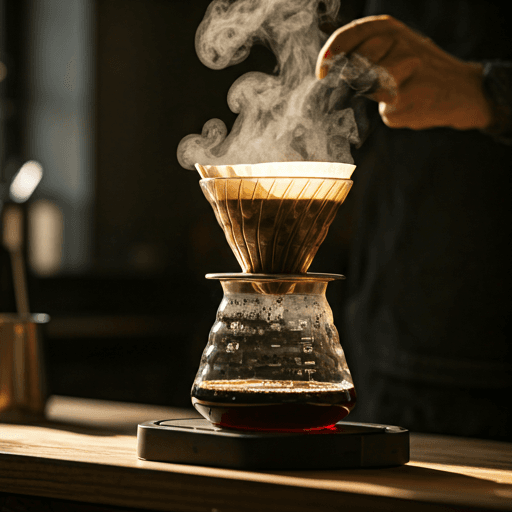
India's most iconic heritage cafés range from the modern, much-loved Carnatic Café in Delhi-NCR to century-old institutions like Mumbai's Irani cafés, Kolkata's Flury's, Bengaluru's MTR and the worker-run Indian Coffee House. Some are 100 years old, some are newer cult favourites, but each one tells a story about how India eats, gathers and drinks its coffee. This guide walks through the cafés worth a visit, what makes each notable, and where they sit on the map.
We've kept this factual and even-handed. These are real, independently run places, and we have no connection to any of them. Think of this as a love letter to café culture, with a few honest notes at the end on bringing that same cup home or to your office.
Carnatic Café and the new wave of South Indian icons
The Carnatic Café is one of the most talked-about South Indian names in the National Capital Region. Founded by restaurateur Pavan Jambagi, a soft-spoken Bengalurean, the Carnatic Café opened in Delhi-NCR around 2012 and built a devoted following for its filter coffee, dosas, idlis and uttapams made with traditional methods. It now runs across Delhi-NCR, with well-known outlets in Lodhi Colony and Sector 16, Noida. The name became significant enough that it ended up in a Delhi-court trademark dispute in 2025 — a sign of just how much the brand had come to mean.
The Carnatic Café sits in a wider wave of South Indian cafés that turned a humble dosa-and-kaapi breakfast into a destination experience. The clearest example is The Rameshwaram Cafe in Bengaluru. Founded in 2021 by Raghavendra Rao and CA Divya Raghavendra Rao, the Rameshwaram Cafe pulls recipes from Karnataka, Tamil Nadu, Andhra Pradesh, Telangana and Kerala, and is famous for benne masala dosa, ghee podi idli, frothy filter coffee and even a filter-coffee soft serve. Its shared tables, fast service and long hours made it a Bengaluru phenomenon — so much so that it has since opened in Mumbai.
What both prove is simple: there is enormous appetite in India for proper South Indian coffee done with care. If you want to understand what that cup actually is, our guide to South Indian filter coffee (kaapi) breaks down the beans, the decoction and the davara-tumbler ritual.
Indian Coffee House: the heritage chain born from a workers' movement
No list of heritage cafés is complete without the Indian Coffee House. The first outlet, then called India Coffee House, opened in Churchgate, Mumbai, in 1936 under the Coffee Board. At its peak in the late 1940s and early '50s it ran as many as 72 outlets nationwide.
Then policy shifted and the Board began shutting outlets. Communist leader A.K. Gopalan rallied the laid-off workers to form a cooperative and take the business over themselves. The first Indian Coffee Workers' Co-operative Society was founded in Bangalore on 19 August 1957, and the first cooperative-run Indian Coffee House opened in New Delhi on 27 October 1957. Today around 400 branches operate across the country.
That backstory is why the Indian Coffee House matters beyond the menu. The high ceilings, the turbaned waiters, the unhurried filter coffee and the cheap, honest food made these halls a meeting place for politicians, journalists, students and artists for decades. You'll find iconic branches in Kolkata (College Street), Thiruvananthapuram, Delhi (Connaught Place), Jabalpur and many more — each a low-cost, living piece of modern Indian history.
Goodluck Cafe and India's Irani café tradition
Pune's Goodluck Cafe is the city's most beloved Irani café, and one of its oldest. Established in 1935 (some family records suggest as far back as 1924) on Fergusson College Road in the Deccan Gymkhana area, the Goodluck Cafe was started by Haji Hussain Ali Yakshi, who had moved from Iran via Mumbai after famine pushed his family to migrate. It began with just Irani chai, bun maska and a few snacks, later adding bun omelette, keema-pav and egg bhurji. Generations of Punekars — and reportedly stars like Rajesh Khanna and Dev Anand — have passed through its doors.
The Goodluck Cafe is part of a tradition built almost entirely by Zoroastrian and Parsi Iranian immigrants who arrived in the late 19th and early 20th centuries. Many became chaiwalas, and their cafés — with bentwood chairs, marble-top tables and sweet, condensed-milk Irani chai — became great social levellers where rich and poor sat side by side. Mumbai's classics anchor this story:
- Kyani & Co. — founded in 1904 near Marine Lines, one of the city's oldest surviving Irani cafés.
- Leopold Café — a Colaba landmark dating to 1871, a fixture for tourists, locals and writers.
- Britannia & Co. — opened in 1923 by Rashid Kohinoor and famous for its berry pulao, with walls full of old-Bombay photographs.
At their 1960s peak Mumbai had roughly 400 Irani cafés. Today only about 30 survive, which is exactly why visiting them now matters. The chai itself is easy to love — and easy to learn. If you'd like to bring that comforting cup home, see our masala chai at home guide.
United Coffee House and the grand cafés of old Delhi
Step into Connaught Place and you'll find the United Coffee House, opened in 1942 by Lala Hans Raj Kalra during the height of the independence movement. The "United" in the name reflected its ethos — a place where people could come together to talk, argue ideas and enjoy good company over warm coffee. It was reportedly among the first restaurants in the city to use air-conditioning and refrigeration. Its ornate chandeliers, stained glass and old-world grandeur have kept the United Coffee House a CP institution for over eight decades.
It's a useful reminder that not every heritage café is a humble tea stall. Delhi's coffee houses were salons — gathering spots for bureaucrats, poets and artists at a time when public meeting places were scarce. If you're exploring the capital, our guide to finding a great coffee shop near you and the Delhi page can help you plan a route.
More heritage cafés worth the trip
Beyond the names above, a handful of institutions define café heritage across India. Here's a quick reference:
| Café | City | Since | Known for |
|---|---|---|---|
| MTR (Mavalli Tiffin Rooms) | Bengaluru | 1924 | Rava idli (a wartime invention), classic South Indian breakfast |
| Koshy's | Bengaluru | 1940 | Old-world charm, Indian-continental menu, famous diners from Nehru to the Queen |
| Flury's | Kolkata | 1927 | Colonial-era tea room, pastries, croissants and cakes on Park Street |
| Indian Coffee House | Pan-India | 1957 (co-op) | Cheap filter coffee, history, ~400 branches |
| Goodluck Cafe | Pune | 1935 | Irani chai, bun maska, bun omelette |
| Carnatic Café | Delhi-NCR | 2012 | Authentic South Indian, filter coffee, dosa |
One more note for South Indian fans: genuine South Indian filter coffee, dosa and idli have spread to unexpected places. In Goa, for instance, a small but growing set of cafés now serve Karnataka and Tamil-style breakfasts in a state better known for feni and fish curry. If a Goa trip is on the cards, our Goa page is a handy starting point, and Kerala lovers can browse cafés in Kochi.
What makes a café "heritage"
A heritage café isn't just an old one. The institutions above share a few traits worth noticing on your next visit:
- A story tied to a moment in history — migration, independence, a workers' movement, or the colonial tea-room era.
- A signature item — berry pulao, rava idli, bun maska, a particular filter coffee.
- A democratic, unhurried atmosphere — long sittings, shared tables, no pressure to leave.
- Continuity — often run by the same family or cooperative across generations.
If café history fascinates you, you'll enjoy our wider look at Indian café culture explained, which traces how all of this came together.
Bringing heritage-café coffee home or to your office
You can't bottle the marble tables and the conversation. But the cup itself? That's very doable. A good South Indian filter coffee or a proper Irani-style chai comes down to fresh beans or tea, the right brewing method, and a little consistency — which is exactly what a reliable machine gives you.
The Tea & Coffee Co. supplies, installs, refills and services coffee, tea, espresso and vending machines across India. Whether you want café-quality espresso at home or a tea-and-coffee setup that keeps a busy office happy all day, browse our machines catalogue or our espresso machines and vending machines for offices. Tell us your daily cup volume and city, and we'll recommend the right fit — request a quote here.