
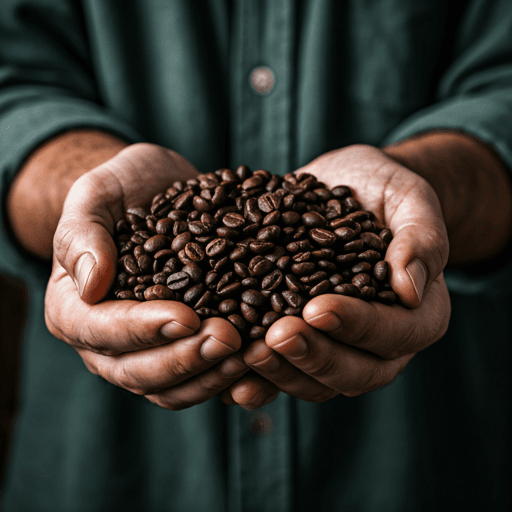
Decaf coffee is ordinary coffee with roughly 97% of its caffeine removed before roasting. A cup still has a trace of caffeine (usually 2-15 mg, versus 80-100 mg in a normal cup), but the flavour and ritual stay intact. In India you can buy decaf as instant jars, freeze-dried sachets and roasted-and-ground packs from brands like Nescafe, Davidoff, Continental and Sleepy Owl, typically priced from around 600 rupees per 100g for the premium ones. This guide explains what decaffeinated coffee is, how it is made, the best brands sold here, and whether drinking decaf coffee is worth it for you.
What is decaf coffee?
Decaf coffee is simply coffee that has had most of its caffeine stripped out while the beans are still green (unroasted). It is not a different plant, not a chemical imitation, and not caffeine-free. Globally the accepted standard is at least 97% caffeine removal, which is why "de caf coffee" still leaves a small residue rather than zero.
To put numbers on it: a regular 240 ml cup of brewed coffee carries about 80-100 mg of caffeine. The same cup of decaf usually lands between 2 and 15 mg, depending on the brand and how strong you brew it. So decaffeinated coffee is not a magic switch to "no caffeine" but it cuts the dose dramatically, to roughly the level you would get from a square of dark chocolate.
Decaf vs regular at a glance
| Feature | Regular coffee | Decaf coffee |
|---|---|---|
| Caffeine per cup (240 ml) | ~80-100 mg | ~2-15 mg |
| Same beans & roasting? | Yes | Yes |
| Flavour and aroma | Full | Slightly milder, very close |
| Good before bed? | No | Usually yes |
| Typical India price (100g) | From ~200 rupees | From ~600 rupees |
How decaffeinated coffee is made
Caffeine is removed from green beans using one of a few methods. The method matters because it affects flavour and whether any solvent touches the bean. Here are the main ones you will see referenced on Indian packs and imports.
- Swiss Water Process: Beans are soaked in water and caffeine is pulled out through a charcoal filter, then the flavour compounds are returned. No chemical solvents. It removes up to 99.9% of caffeine and is prized for keeping taste intact.
- CO2 (carbon dioxide) process: Pressurised liquid CO2 acts as a natural solvent that grabs caffeine and leaves flavour oils alone. Removes around 94-98% of caffeine. Common in larger commercial decaf.
- Solvent-based (methylene chloride or ethyl acetate): A solvent dissolves the caffeine. The "sugarcane" or "natural" decaf you sometimes see refers to ethyl acetate derived from fruit/cane. The solvent evaporates off well below roasting temperatures.
If the chemical question worries you, look for "Swiss Water" or "CO2 process" on the label. Many premium Indian and imported decafs now state their method clearly. Most mass-market instant decaf does not, and it is still safe by food standards, just less transparent.
Best decaf coffee brands in India
Decaf is a niche in India, so the choice is smaller than for regular coffee, but it is growing. Here are the options you can realistically find on Amazon, Flipkart, Blinkit and supermarket shelves, with honest notes. Prices are approximate MRP-style ranges and move around, so treat them as guides, not quotes.
| Brand & product | Type | Roughly | Notes |
|---|---|---|---|
| Davidoff Decaf Elegant | Instant, 100% Arabica | ~700-900 rupees / 100g | Often rated the best-tasting instant decaf here. Smooth, aromatic, low bitterness. |
| Nescafe Gold Blend Decaf | Freeze-dried instant | ~600-700 rupees / 100g | Widely stocked, reliable, mild. The easy default if you want decaf instant. |
| Nescafe Gold Cappuccino Decaf | Instant sachet mix | ~400 rupees / box | Pre-mixed milky cappuccino, sweet and convenient rather than purist. |
| Continental Decaf | Freeze-dried, sachets & jar | ~250-400 rupees / 50g | Budget-friendly Indian option, bold flavour, sold in 2g sachets. |
| Sleepy Owl Decaf | Instant sachets, 100% Arabica | ~500+ rupees / 30 sachets | Single-serve, smooth and full-bodied. Good for one good cup at a time. |
For roasted-and-ground or whole-bean decaf you will mostly look to specialty roasters and imports rather than supermarket aisles. If you brew with a machine or filter, that is the segment worth hunting in. If you are still choosing between formats, our ground coffee vs beans vs powder guide explains which suits your setup, and the instant coffee buying guide goes deeper on jar coffee.
Decaf within the big brand ranges
The two names most Indians already trust both offer decaf. Nescafe's decaf sits inside its premium Gold line rather than the everyday red jar, which is why it costs more. Davidoff positions its decaf as an "elegant" 100% Arabica pour. For the full picture of where decaf fits in their wider line-ups, see our Nescafe and Nestle range guide and the broader premium coffee brands explainer.
Is drinking decaf coffee worth it?
It depends entirely on why you are reaching for it. Decaf is genuinely useful for some people and pointless for others. Here is the honest case on each side.
Good reasons to drink decaf
- Evening cups: You want the warmth and taste of coffee at 9 pm without ruining sleep. This is decaf's strongest use case.
- Caffeine sensitivity: If coffee gives you jitters, a racing heart or anxiety, decaf lets you keep the ritual.
- Pregnancy: Doctors usually advise keeping caffeine under 200 mg a day. Decaf's 2-15 mg per cup makes it an easy way to stay well within that. Always confirm with your own doctor.
- Cutting down: Switching some daily cups to decaf is a gentle way to reduce total caffeine without quitting coffee.
- More than one cup: You love coffee but two regular cups is your ceiling. Decaf lets the third and fourth happen.
Reasons decaf might not be for you
- You drink coffee for the lift: If caffeine is the point, decaf will feel like it is missing the engine.
- Cost: Decaf usually costs more than the equivalent regular coffee in India, because decaffeination is an extra step.
- Acid reflux is not fully solved: Decaf is lower in some irritants, but it is still mildly acidic and can still nudge reflux for sensitive people. It is gentler, not harmless.
- Trace caffeine still adds up: Six cups of decaf can reach the caffeine of one weak regular cup, so it is "low" not "none".
A simple rule: keep regular coffee for the morning when you want the boost, and switch to decaf for the afternoon and evening cups you drink purely for pleasure.
How to brew good decaf at home or work
Decaf beans are slightly more fragile than regular beans, so a few habits help the cup taste its best.
- Buy small, use fresh. Decaf can go flat faster, so smaller packs you finish quickly beat a giant jar.
- Brew it a touch stronger. Decaf can taste milder, so a slightly higher dose evens it out.
- Mind the water temperature. Just off the boil (about 92-96 C) extracts flavour without scorching.
- Match the format to your kit. Instant decaf for a quick desk cup; ground decaf if you have a filter, moka pot or machine.
If you want consistent decaf at scale, for an office pantry, a cafe, or a home that drinks a lot, the format and machine matter more than the brand. A push-button setup makes it easy to keep both regular and decaf on offer. Browse coffee makers and espresso machines, or for shared spaces look at a tea and coffee vending machine.
Where to buy decaf coffee in India
Online is your best bet for range. Amazon and Flipkart carry the widest decaf selection, including imports; quick-commerce apps like Blinkit stock Nescafe and a few others for same-day delivery. Large supermarkets in metros usually have at least the Nescafe Gold decaf and sometimes Continental. In smaller towns, decaf is harder to find on shelves, so online ordering is the practical route.
We are a coffee and tea machine supplier across India, from Mumbai and Bengaluru to Delhi and beyond. If you want to brew good decaf, regular coffee, or both at your home, office or outlet, tell us your daily cup volume and we will suggest the right machine. Want to see the full range first? Start at our machines catalogue.