
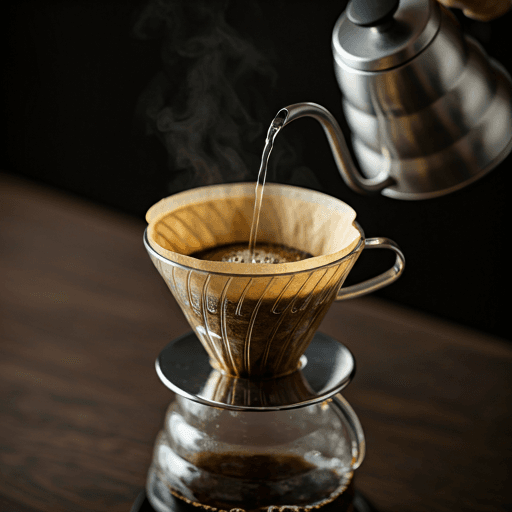
India's coffee story lives in two very different places. One is a coffee museum in the hills of Chikmagalur, where the bean-to-cup journey sits behind glass for a INR 30 ticket. The other is the stock market, where the dramatic Coffee Day share saga turned a beloved cafe brand into one of India's most-studied business case studies. This guide pulls together the real trivia behind both, then shows you how to taste that heritage in your own cup.
The coffee museum in India: Chikmagalur's Coffee Yatra
When people ask where to find a coffee museum in India, the answer is almost always Chikmagalur, Karnataka. The Coffee Museum, also called Coffee Yatra, is run by the Coffee Board of India and sits in the Dasarahalli area, a short drive from the town centre. It is less a tourist trap and more an educational hub, walking you through how coffee is picked, dried, graded, roasted and ground, alongside the varieties grown across South India.
Practical details worth knowing before you go:
- Entry fee: around INR 30 per person — one of the cheaper museum tickets you will find anywhere.
- Timings: roughly 10:00 AM to 5:30 PM, closed on Saturdays and Sundays. Plan a weekday visit and budget about an hour to walk through.
- Location: the Dasarahalli locality, about 6 km from the Chikmagalur bus stand.
- Getting there: Chikmagalur is roughly 250 km from Bengaluru via NH75, a scenic 5 to 6 hour drive through the Western Ghats.
If you are exploring the coffee country around it, our guide to cozy hidden cafes and the broader Indian cafe culture explainer pair well with a museum trip.
Why the museum is in Chikmagalur, not a metro
This is the best piece of trivia for any coffee enthusiast. Indian coffee did not start in a city cafe. It started in the 17th century, when the Sufi saint Baba Budan is said to have carried seven coffee beans out of Yemen and planted them in the Baba Budangiri hills near Chikmagalur. Smuggling green beans was forbidden, so those seven seeds were a quiet act of rebellion that seeded an entire industry. From that handful grew the plantation belt that still supplies much of the country's coffee today. The museum sits where the story began.
The Coffee Day share story: from Brigade Road to the BSE
The other half of India's coffee heritage is a business story. Cafe Coffee Day, founded by V.G. Siddhartha, opened its first outlet on 11 July 1996 on Brigade Road, Bengaluru. At the time, a coffee plus an hour of internet surfing cost about INR 100, and the cafe-plus-internet concept was genuinely new to India. The tagline — "A lot can happen over coffee" — became one of the most recognised lines in Indian retail, and CCD grew from that single store into more than 1,700 outlets at its peak.
Siddhartha had a real advantage: his family already owned coffee estates, so he controlled the supply chain from plantation to cup. That vertical integration is part of why CCD scaled so fast across Indian cities.
The IPO and the share price collapse
Coffee Day Enterprises, the parent company, ran its IPO in October 2015 and listed on the stock exchanges in early November. Here is the timeline that every market-watcher remembers:
| Milestone | What happened |
|---|---|
| IPO (Oct 2015) | Priced at INR 316–328 per share, aiming to raise around INR 1,150 crore. |
| Listing day (2 Nov 2015) | Debuted near INR 313 on the NSE, closed around INR 270 — about 18% below the issue price. |
| July 2019 | Founder V.G. Siddhartha went missing on 29 July and was found dead on 31 July. |
| Aftermath | The Coffee Day share price fell sharply over the following sessions, erasing a large amount of investor wealth. |
The collapse turned the Coffee Day share into a cautionary tale taught in finance classrooms: a strong consumer brand can still carry heavy debt and governance pressure that the cafe queues never reveal. It is a sobering counterpoint to the romance of the museum, and a reminder that "coffee culture" and "coffee business" are two different things.
More coffee trivia for enthusiasts
- Tata Coffee traces its roots to 1922 and grew into one of the largest integrated coffee cultivation and processing companies in the world — proof that India's coffee story is as much about estates as it is about cafes.
- India grows both Arabica and Robusta, much of it shade-grown under canopy in the Western Ghats, which is part of why Indian coffee has a distinctive low-acid profile.
- South India turned coffee into a daily ritual long before chains arrived. If you want the original, read what South Indian filter coffee (kaapi) really is.
- The Baba Budangiri "seven beans" legend is the single most repeated fact in Indian coffee history — and now you know the museum that celebrates it.
Recreate cafe-quality coffee at home
You do not need to drive to Chikmagalur or own shares in a cafe chain to enjoy great Indian coffee. The fastest way to honour the heritage is to brew well at home or in your office. A few starting points:
- For espresso lovers: a home espresso machine plus a grinder gets you cafe-style shots. See our best espresso machine in India guide.
- For everyday brewing: our coffee machine buying guide and grinder buying guide cover India-aware pricing and serviceability.
- For offices: a bean-to-cup or vending setup keeps a team caffeinated without a barista. Browse vending machines or the full machines catalogue.
If you are in a major coffee city like Bengaluru — the birthplace of India's modern cafe chain — we install, refill and service machines locally, so the gap between a museum cup and your kitchen cup is smaller than you think.
Coffee in India is heritage, business and daily ritual all at once. Whether you are planning a trip to the coffee museum in Chikmagalur, retelling the Coffee Day share story over a brew, or finally upgrading your home setup, we can help you taste the good part. Request a quote and we will recommend the right machine for your space and budget — and service it wherever you are in India.