
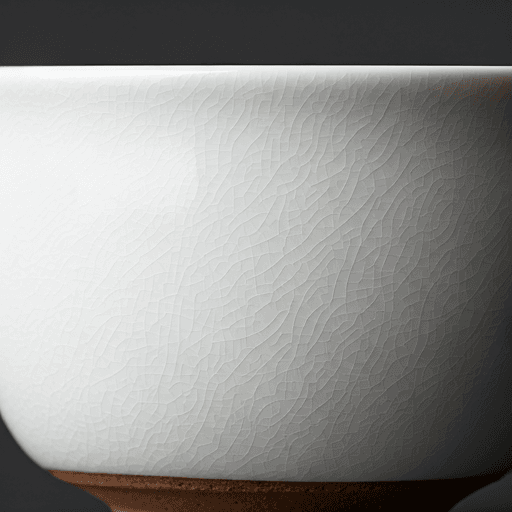
A good tea cups set is the heart of tea service: a matched set of cups (with or without saucers), a strainer to keep leaves and masala out of the cup, and a stable surface to serve from. In India, that usually means 6 cups of 150-200 ml, a fine double-mesh stainless steel strainer, and a low tea table or tray. Get those three right and your chai goes from rushed to ritual without spending much.
This guide walks through what to buy, what each piece actually does, and how to pick pieces that survive daily Indian kitchen use. We cover materials, sizes, INR-aware framing, and care, so you can build a service set that lasts years.
What goes into a complete tea cups set
"Set" can mean very different things on Indian retail sites. Some are 6 cups only. Others are 12 pieces (6 cups + 6 saucers), and premium boxes add a teapot, a sugar pot, and a milk creamer. Decide what you actually serve before you buy.
| Set type | Pieces | Best for | Typical INR framing |
|---|---|---|---|
| Cups only | 6 | Daily home chai, handleless kulhad style | Entry / budget |
| Cup + saucer | 12 | Guests, office, a tidier serve | Mid |
| Full tea service | 15-17 | Hosting, gifting, formal tea | Premium |
For most Indian homes a 12-piece cup-and-saucer set is the sweet spot. It looks finished, the saucer catches drips, and you are not washing a teapot you rarely use. Buy a set that is sold as 6+ matched units so breakages are easy to replace.
How many cups, and what size
Indian tea cups run small on purpose. A 150 ml cup suits a strong, milky cutting-style chai. A 200 ml cup suits a lighter brew or coffee. Anything past 250 ml is really a mug, and the tea goes cold before the last sip. Buy 6 as your base count even for a small family. You will break one or two over a year, and odd guests always arrive in pairs.
Place settings at a glance
Match the count to how you actually host. These are practical base counts, not formal rules.
- Couple or nuclear family: a 6-cup set covers daily chai plus one or two visitors. A 12-piece cup-and-saucer set is the upgrade most people regret not buying sooner.
- Joint family or regular guests: step up to two 6-cup sets in the same pattern, or a 12-cup set, so a full chai round never runs short.
- Frequent hosting or festivals: a full tea service with a teapot and a sugar-and-creamer pair keeps a second round warm and looks intentional on the table.
Choosing the right material for your tea cups
Material decides how the tea cups feel, how they hold heat, and how long they last. Use the table for a quick read, then the notes below for the honest trade-off on each.
| Material | Feel | Durability | Heat retention | Best use |
|---|---|---|---|---|
| Bone china | Thin, light, premium | Delicate, chips easily | Good | Guests, gifting |
| Ceramic / stoneware | Solid, chunky | Tough, chip-resistant | Very good | Daily driver |
| Kulhad (clay) | Earthy, rustic | Porous unglazed, sturdy glazed | Good | Themed serve, character |
| Borosilicate glass | Clear, modern | Heat-safe if borosilicate | Low | Layered drinks, show |
Bone china
Thin, light, and elegant, with a faint translucency at the rim. Bone china holds heat well and feels premium for guests. It is more delicate, so it is a "good crockery" choice rather than an everyday-rough-use one. Most are microwave and dishwasher safe, but check the box.
Ceramic and stoneware
The everyday workhorse. Thicker walls, harder to chip, and very forgiving of Indian kitchen handling. Glazed ceramic is non-reactive, so it will not pick up the smell of masala chai. This is the right default for a daily-driver tea cups set.
Kulhad (clay)
The handleless terracotta cup. Unglazed clay adds a faint earthy aroma that many people associate with railway and roadside chai. Traditional unglazed kulhads are single-use and porous; glazed ceramic "kulhad-style" cups give you that look in a reusable, washable form. Great for a themed serve or a tea stall vibe at home.
Glass
Borosilicate glass cups show off the colour of the brew, which suits clear teas and a layered boba milk tea serve. Make sure it is heat-resistant borosilicate, not ordinary glass, or it can crack with boiling chai.
Rule of thumb: ceramic or stoneware for daily use, bone china for guests, glass for show, kulhad-style for character. Many homes keep two sets for exactly this reason.
The tea strainer: small tool, big difference
A tea strainer (chai chalni or channi) is non-negotiable for Indian tea. It catches loose leaves, grated ginger, crushed cardamom, and the spice debris from masala chai so the cup pours clean. Skip it and every sip ends in a mouthful of leaves.
Strainer types and what to buy
- Double-mesh stainless steel (handle type): the classic Indian chai chalni. Food-grade 304 stainless steel is non-reactive, rust-resistant, and does not taint flavour. The double mesh catches fine spice particles a single mesh misses. This is the one to buy.
- Single-mesh strainer: cheaper, fine for plain leaf tea, but lets fine masala through.
- In-cup infuser / basket: sits inside one cup for single-serve loose-leaf tea. Good for a desk, not for pouring a pot for the family.
- Spring-handle "tong" infuser: convenient but the mesh is usually coarse. Treat it as a backup.
Look for a hanger hole in the handle so it dries on a hook, a deep bowl so it sits over the cup rim without tipping, and a riveted (not glued) handle. Stainless steel that stays odour and rust free is what daily chai needs. Rinse it immediately after use so dried spice does not clog the mesh.
The teapot: when it earns a place
A teapot is optional for a single cup but pays off the moment you pour for more than two people. It lets you brew once, strain once, and keep a second round warm instead of returning to the stove. For Indian use, look for a few specifics.
- Built-in strainer: a removable mesh basket or a strainer at the spout means you can drop leaves and masala straight in and pour clean, with no separate channi needed.
- Capacity: a 750 ml to 1 litre pot serves 4-6 small cups in one go. Smaller 400-500 ml pots suit a couple.
- Material: stainless steel is unbreakable and travels well; ceramic and borosilicate glass look better on the table but need gentler handling. Glass also lets you watch the brew strength.
- Dribble-free spout: check reviews for a clean pour. A teapot that drips will mark every saucer and tablecloth.
The tea table and serving surface
A tea table is the often-skipped third essential. It gives you a stable, low surface to set down the pot, cups, and snacks without crowding the dining table. In Indian living rooms this is usually a centre table or a compact side table at sofa height.
What makes a good tea table
- Height: roughly 40-45 cm pairs well with sofa seating, so cups are within easy reach.
- Surface: a wipeable, heat-tolerant top (sheesham wood, laminate, or glass) survives the odd too-hot pot. Use a trivet or coaster for very hot pots on glass.
- Size: enough room for a tray of 6 cups plus a plate of snacks. A small lip or raised edge keeps cups from sliding.
No room for a dedicated table? A wooden or stainless serving tray does the same job and travels from kitchen to sofa to balcony. A tray also keeps a matched look: cups, strainer rest, and a small sugar bowl all in one trip.
Putting the full service together
Here is a complete, no-fuss tea service for an Indian home, in priority order:
- A 12-piece ceramic or bone china tea cups set (6 cups + 6 saucers).
- A double-mesh stainless steel strainer, plus a small saucer or rest to park it on.
- A tea table or a serving tray.
- Optional: a teapot with a built-in strainer, a sugar pot, and a milk creamer for hosting.
If you are serving a crowd often, a teapot earns its place because it keeps a second round warm. For a properly brewed pot, see our notes on how to make masala chai at home and on South Indian filter coffee if your table also serves kaapi. For the davara-tumbler ritual, that filter-coffee set is its own kind of "tea cups set" worth owning.
Care and longevity
Good service gear lasts years with basic care. Hand-wash bone china and glass to avoid chips. Most glazed ceramic is dishwasher safe, but stacking cup-inside-cup grinds the glaze, so use a rack. Rinse the strainer the moment you finish pouring; dried masala is the main reason cheap strainers get thrown out. Dry the strainer fully on its hanger hole so the mesh never sits wet. Store cups with a paper napkin between stacked pieces to stop rim chips.
A few extras protect the look over years of daily use. Skip the dishwasher's high-heat dry cycle for gold-rimmed or hand-painted cups, as it dulls the pattern, and never microwave metallic trim. Avoid sudden temperature swings: a fridge-cold cup filled with boiling chai can craze the glaze or crack thin glass. If hard water leaves a cloudy film, a quick soak in warm water with a splash of vinegar clears it without scrubbing the glaze. Buy one or two spare cups in the same pattern up front, since popular designs sell out and a half-broken set is the usual reason people replace the whole thing early.
Serving tea at scale: office and high-footfall
Cups and strainers work beautifully at home. For a 20-plus-person office, a daily tea round becomes a chore of brewing, straining, washing, and breakage. That is where a machine earns its keep. A tea vending machine or a multi-beverage vending machine pours consistent chai, coffee, and more on demand, with no straining and no crockery to wash. We install, refill, and service across India, including Mumbai, Bengaluru, and other major cities.
Whether you want a beautiful tea cups set for the living room or a fuss-free machine for the office pantry, we can help you pick the right setup. Tell us your space and headcount and we will recommend the simplest option that fits, then handle installation and refills. Browse the full range of machines to compare.