
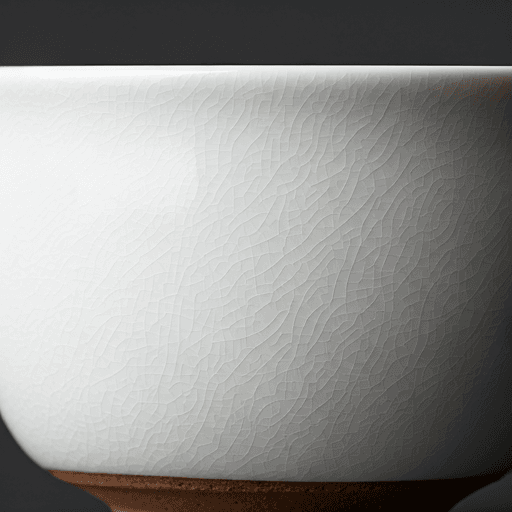
Green tea is unoxidised tea made from the same plant as black tea (Camellia sinensis), but it skips the long oxidation step, which keeps it lighter, greener, and richer in the plant compounds people drink it for. In India it has gone from a niche health buy to a pantry staple - sold loose, in tea bags, and as flavoured blends across every supermarket and grocery app. This complete guide covers what green tea actually is, the benefits research supports (and the ones it doesn't), which brands to buy in India, how to brew a cup that isn't bitter, and how to make drinking green tea a habit you keep.
This is our hub page for the topic. If you want to go deeper on any one area, we link out to focused guides throughout.
What is green tea, and how is it different?
All true tea - black, green, oolong, white - comes from the leaves of the same plant. The difference is processing. For black tea the leaves are rolled and fully oxidised, which darkens them and develops the strong, malty flavour Indians know from a cup of chai. Green tea leaves are quickly heated (steamed or pan-fired) soon after picking to stop oxidation, locking in a fresh, grassy, slightly vegetal character and a pale golden-green liquor.
Because it is barely oxidised, green tea retains a high level of catechins - a group of natural antioxidants - and a moderate amount of caffeine, roughly a third to a half of a cup of coffee depending on how you brew it. It also contains L-theanine, an amino acid associated with calm, focused alertness. That combination of gentle caffeine plus L-theanine is a big part of why people reach for green tea instead of a second coffee.
Where matcha fits in
Matcha is green tea too, but a special form: shade-grown leaves are stone-ground into a fine powder that you whisk into water and drink whole, rather than steeping and discarding the leaves. Because you consume the entire leaf, a cup of matcha is more concentrated. If you are curious, see our guide to what matcha is and our matcha powder buying guide.
Green tea benefits: what the evidence actually says
Green tea is genuinely one of the better everyday drinks you can choose, but it helps to be honest about what it does and doesn't do. The compounds in green tea - particularly the catechin EGCG - are well studied, and the consensus is encouraging but measured.
- Antioxidants: Green tea is rich in catechins, which act as antioxidants in the body. Diets high in these compounds are associated with better health markers in observational studies.
- Heart health: Regular green tea drinking is associated with modestly healthier cholesterol and blood pressure patterns in population studies - an association, not a guaranteed effect.
- Focus and calm: The caffeine-plus-L-theanine pairing may support steady alertness without the jittery spike some people get from coffee.
- Metabolism: Some research suggests green tea may give a very small nudge to metabolism. This is a minor helper at best - more on weight below.
What green tea does not do: it does not treat, cure, or prevent any disease, and no single drink will undo an unbalanced diet. Treat it as one good habit among many. For a fuller breakdown, read our dedicated pages on green tea benefits explained and the advantages of drinking green tea.
The honest summary: green tea is a healthy swap for sugary drinks and a calmer alternative to a third coffee. It is a small, repeatable good habit - not a cure.
Green tea and weight loss
This is the most over-promised area, so here is the straight version. Green tea may support weight management in a small way - chiefly because it is a near-zero-calorie drink that can replace sweetened beverages, and because its catechins and caffeine have a modest effect on metabolism. But the effect is small and only meaningful alongside a calorie-controlled diet and regular activity. No tea makes you "lose X kg" on its own, and any product promising that is overselling. If weight is your goal, see our realistic take in the green tea for weight loss guide - and pair the habit with food and movement, not magic.
Buying green tea in India: brands, formats and prices
You have more choice than ever. The first decision is format: tea bags are convenient and consistent for offices and busy mornings; loose-leaf generally gives better flavour and value per cup if you don't mind a strainer. Beyond that, decide whether you want plain green tea or a flavoured blend (lemon, tulsi, mint, jasmine), and whether organic certification matters to you.
Here is a practical, India-specific snapshot of widely sold options and rough INR price framing. Prices move, so treat these as ballpark guidance rather than fixed figures.
| Brand | Best for | Format | Rough price (INR) |
|---|---|---|---|
| Lipton | Everyday, easy to find | Tea bags | ~250-450 / box of 20-25 |
| Tetley (Tata) | Budget daily drinking | Bags & cartons | ~400-450 / large carton |
| Organic India | Certified-organic, tulsi blends | Tea bags | ~250-350 / box of 25-30 |
| 24 Mantra Organic | Organic sourcing | Loose & bags | Mid-range |
| Vahdam / Typhoo / Twinings | Premium & single-origin loose-leaf | Loose-leaf & bags | Premium |
A simple rule: for daily, no-fuss cups at home or in an office pantry, Lipton or Tetley do the job. If purity of sourcing matters to you, choose a certified-organic brand like Organic India or 24 Mantra. If you care most about flavour and want to taste the difference between origins, step up to loose-leaf from a premium label and brew it carefully.
Storage tip
Green tea is delicate. Keep it in an airtight, opaque container away from heat, light, moisture, and strong smells (so not next to your masala dabba). Buy in quantities you'll finish within a few months - stale green tea turns flat and hay-like.
How to brew green tea so it isn't bitter
Most people who say they "don't like green tea" have only had it brewed badly. The two mistakes are nearly always the same: water that's too hot and steeping too long. Boiling water scorches the delicate leaves and pulls out harsh tannins; an over-long steep does the same. Get those two right and green tea becomes smooth and pleasant.
- Heat the water to about 70-80°C, not a rolling boil. No thermometer? Boil the kettle, then let it sit and cool for 2-3 minutes before pouring.
- Use the right dose: one tea bag, or roughly one teaspoon of loose leaves, per cup.
- Steep for just 1-3 minutes. Start at the shorter end and taste. Japanese-style greens often prefer 1-2 minutes; Chinese-style 2-3.
- Remove the leaves or bag the moment time's up. Leaving them in is the single biggest cause of bitterness.
- Re-steep good loose-leaf: quality green tea gives 2-3 infusions. Add about 30 seconds to each subsequent steep.
Add a squeeze of lemon or a little honey if you like, but try it plain first - well-brewed green tea rarely needs help. For offices that serve dozens of cups a day, a dial-set hot-water dispenser or a fresh-brew machine that holds the right temperature takes the guesswork out and keeps quality consistent across the team.
Drinking green tea: when, how much, and a few cautions
For most healthy adults, 2-3 cups a day is a comfortable, common amount. A few practical notes on building the habit and staying sensible about it:
- Timing: mid-morning and early-afternoon are ideal. Many people find a cup between meals or after lunch helps replace a sugary snack or a second coffee.
- Not on an empty stomach: some people find green tea on a completely empty stomach causes mild nausea or acidity. Having it with or after food usually fixes that.
- Mind the caffeine: green tea is gentler than coffee but still contains caffeine. If you're sensitive or sleep poorly, avoid it late in the evening.
- Pregnancy and medication: if you are pregnant, breastfeeding, or on regular medication, keep intake moderate and check with your doctor - green tea can interact with certain medicines and adds to your daily caffeine.
None of this should put you off; it's the same common sense you'd apply to coffee or chai. Green tea, green tea blends, and herbal infusions are part of how a growing number of Indian households and offices balance their day - a lighter option alongside the morning chai and the afternoon coffee, not a replacement for either.
Green tea vs other teas, at a glance
| Tea | Oxidation | Caffeine | Flavour | Typical use |
|---|---|---|---|---|
| Green tea | Minimal | Low-moderate | Fresh, grassy | Daily wellness cup |
| Black tea / chai | Full | Higher | Strong, malty | Morning chai |
| Matcha | Minimal (whole leaf) | Higher per cup | Rich, umami | Focused energy |
| White tea | Very low | Low | Delicate, subtle | Gentle, premium |
If you love the ritual of Indian tea generally, our broader guide to chai and Indian tea puts green tea in context alongside the country's classic styles.
Serving green tea at home, in the office, or in a cafe
At home, all you need is a kettle, a cup, and a strainer or infuser. The jump in quality comes from temperature control, so a kettle you can take off the boil - or one with a green-tea setting - pays off quickly. For tableware and presentation, our note on tea serving essentials covers cups, strainers and setup.
For offices, cafes, and institutions, consistency is everything: the same correct temperature and steep time, cup after cup, without staff babysitting a kettle. That's where a dedicated tea machine or hot-beverage dispenser earns its place - it holds water at the right temperature, serves on demand, and keeps quality identical whether it's the first cup of the day or the hundredth.
Get the right setup for green tea
Whether you're brewing two cups at your desk or serving a 200-person office, the basics are the same: good leaf, the right temperature, and a short steep. If you want machines that make great green tea (and chai, and coffee) effortless and repeatable for a home, office, cafe, or institution, browse our tea machines - and request a tailored quote. We supply, install, refill, and service across India, so your setup keeps performing long after delivery.